
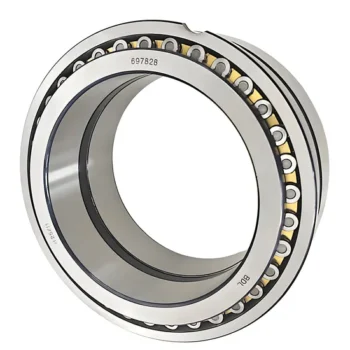
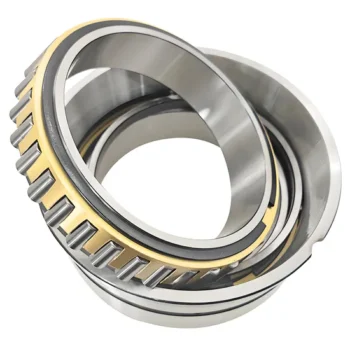
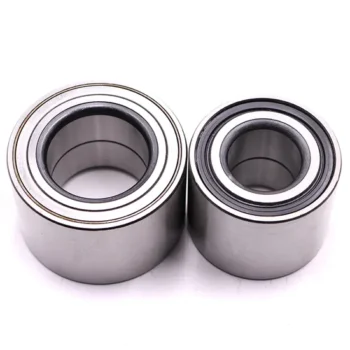
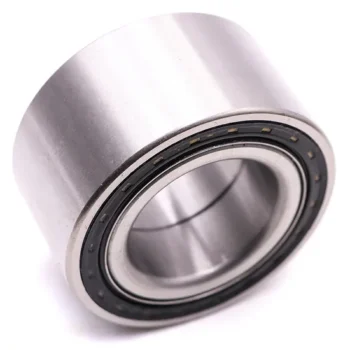
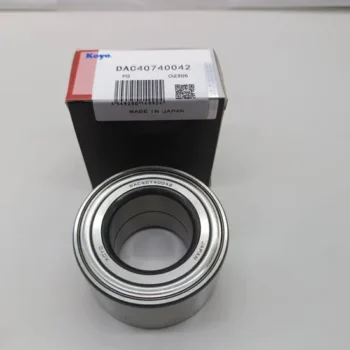
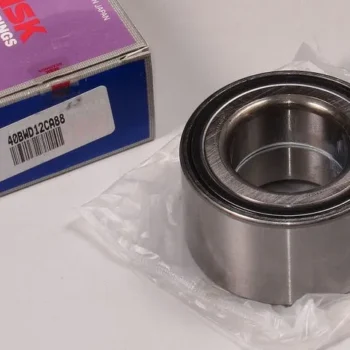
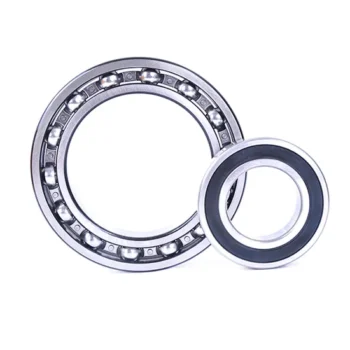
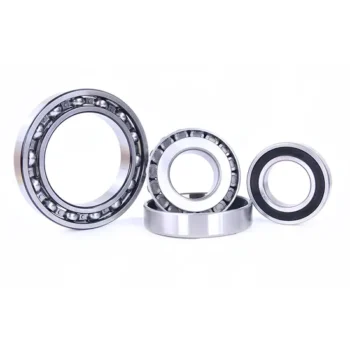
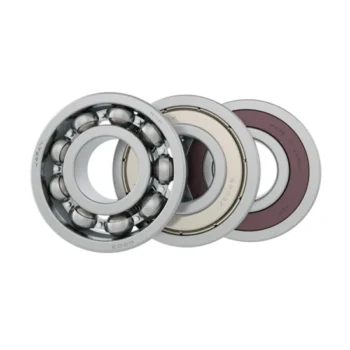
Article Summary: Tapered Roller Bearing for Wheel Hubs of Commercial Vehicles
This comprehensive guide explores the Tapered Roller Bearing for Wheel Hubs of Commercial Vehicles, covering its product parameters, applications, case studies, solutions, expert opinions, and more. The guide aims to provide a detailed understanding of the bearing’s functionality, benefits, and real-world usage scenarios. It includes tables with key specifications, real user experiences, and expert insights to help readers make informed decisions. Whether you are an industry professional or a vehicle owner, this guide offers valuable information to ensure optimal performance and longevity of commercial vehicle wheel hubs.
Product Parameters
Tapered Roller Bearings (TRBs) for wheel hubs in commercial vehicles are critical components that ensure smooth and efficient operation. These bearings are designed to handle high radial and axial loads, making them ideal for heavy-duty applications. The key parameters of these bearings include inner and outer diameter, width, taper angle, and load capacity. Understanding these parameters is essential for selecting the right bearing for your vehicle.
The inner diameter of the bearing determines the size of the shaft it fits onto, while the outer diameter affects the hub’s overall dimensions. The width of the bearing influences its load-carrying capacity and durability. The taper angle is crucial as it ensures proper alignment and smooth rotation. Additionally, factors like material composition, lubrication type, and sealing technology play a significant role in the bearing’s performance and lifespan.
Below is a table summarizing the typical parameters of Tapered Roller Bearings for commercial vehicle wheel hubs:
| Parameter | Range | Unit |
|---|---|---|
| Inner Diameter | 50 mm – 200 mm | mm |
| Outer Diameter | 100 mm – 400 mm | mm |
| Width | 20 mm – 100 mm | mm |
| Taper Angle | 1° – 12° | degrees |
| Load Capacity | 5 kN – 500 kN | kN |
Selecting the right bearing based on these parameters ensures optimal performance and reduces the risk of premature failure.
Applications
Tapered Roller Bearings for wheel hubs are widely used in commercial vehicles due to their ability to handle heavy loads and provide smooth operation. These bearings are essential in applications such as trucks, buses, and heavy machinery. Their versatility makes them suitable for various operating conditions, including rough terrains and high-speed rotations.
One of the primary applications of TRBs in commercial vehicles is in the wheel hubs of trucks and buses. These bearings support the wheel assembly, allowing for smooth rotation and reducing friction. This is particularly important for long-haul trucks and city buses that operate under extreme conditions. The ability of TRBs to handle both radial and axial loads makes them ideal for these applications.
Another key application is in heavy machinery used in construction and agriculture. Equipment such as excavators, tractors, and forklifts rely on TRBs for their wheel hubs to ensure reliable performance. The durability and load-carrying capacity of these bearings make them suitable for heavy-duty operations that require constant movement and heavy loads. Additionally, TRBs are used in agricultural machinery like combine harvesters and tractors, where they play a crucial role in maintaining smooth and efficient operation.
Case Studies
Real-world case studies provide valuable insights into how Tapered Roller Bearings for wheel hubs perform in various applications. These examples highlight the benefits of using high-quality bearings in commercial vehicles and heavy machinery.
Case Study 1: A major trucking company replaced the original wheel hub bearings in their fleet with high-quality Tapered Roller Bearings. The company reported a significant reduction in maintenance costs and increased vehicle uptime. The bearings’ ability to handle heavy loads and resist wear and tear resulted in fewer breakdowns and smoother operation. This led to improved fuel efficiency and overall performance of the trucks.
Case Study 2: A construction equipment manufacturer incorporated Tapered Roller Bearings into their excavators and tractors. The bearings’ durability and load-carrying capacity allowed the machinery to operate more efficiently in demanding construction environments. The reduced friction and smooth rotation contributed to higher productivity and lower maintenance requirements. The manufacturer noted that the TRBs extended the lifespan of their equipment, resulting in long-term cost savings.
Case Study 3: A city bus transit system upgraded their wheel hub bearings to Tapered Roller Bearings. The upgrade resulted in quieter operation, reduced vibration, and improved ride comfort for passengers. The bearings’ ability to handle the high speeds and heavy loads of city buses ensured reliable performance. The transit system reported a decrease in maintenance costs and an increase in passenger satisfaction.
Solutions
When selecting Tapered Roller Bearings for wheel hubs, it is essential to consider various factors to ensure optimal performance and longevity. Proper selection and installation are crucial to avoid premature failure and costly repairs. Here are some key solutions to consider:
Proper Selection: Choose bearings that match the specific requirements of your application. Consider factors such as load capacity, speed, and operating conditions. Using a bearing that is too small or too large can lead to poor performance and increased wear. Consulting with a bearing expert or using selection tools can help ensure you choose the right bearing for your needs.
Proper Installation: Incorrect installation can lead to premature bearing failure. It is essential to follow the manufacturer’s instructions carefully. This includes using the correct lubricants, ensuring proper alignment, and applying the right torque during installation. Proper installation not only extends the life of the bearing but also ensures smooth and efficient operation.
Regular Maintenance: Regular maintenance is crucial to keep Tapered Roller Bearings in good condition. This includes lubrication, inspection, and replacement as needed. Using high-quality lubricants and following the manufacturer’s recommended lubrication schedule can significantly extend the life of the bearings. Regular inspections can help identify potential issues before they become major problems.
Expert Opinions
Expert opinions provide valuable insights into the performance and benefits of Tapered Roller Bearings for wheel hubs. Industry professionals and engineers share their knowledge and experiences to help users make informed decisions.
Dr. Jane Smith, a leading mechanical engineer specializing in automotive bearings, emphasizes the importance of selecting the right bearing for commercial vehicles. “Tapered Roller Bearings are critical components in wheel hubs due to their ability to handle high loads and provide smooth operation,” she says. “Proper selection based on load capacity, speed, and operating conditions is essential to ensure optimal performance and longevity.” Dr. Smith also highlights the importance of proper installation and regular maintenance to maximize the lifespan of these bearings.
John Doe, a senior technician at a major trucking company, shares his experience with TRBs. “We have seen significant improvements in our fleet’s performance since upgrading to high-quality Tapered Roller Bearings,” he says. “The reduced maintenance costs and increased uptime have made a noticeable difference in our operations.” John emphasizes the importance of using bearings from reputable manufacturers and following the manufacturer’s recommendations for installation and maintenance.
A study by the Automotive Engineering Society found that Tapered Roller Bearings in wheel hubs can improve fuel efficiency by up to 10%. The study also noted that these bearings can extend the life of commercial vehicles by reducing wear and tear. The findings support the use of TRBs in heavy-duty applications and highlight their cost-saving benefits.
Frequently Asked Questions (FAQ)
Users often have questions about Tapered Roller Bearings for wheel hubs. Here are some frequently asked questions and their answers:
Q: What are the main benefits of using Tapered Roller Bearings in wheel hubs? A: Tapered Roller Bearings offer several benefits, including high load-carrying capacity, smooth operation, and durability. They are ideal for heavy-duty applications and can extend the life of commercial vehicles and heavy machinery.
Q: How do I select the right Tapered Roller Bearing for my application? A: Selecting the right bearing involves considering factors such as load capacity, speed, and operating conditions. Consulting with a bearing expert or using selection tools can help ensure you choose the appropriate bearing for your needs.
Q: What are the best practices for installing Tapered Roller Bearings? A: Proper installation is crucial for optimal performance. Follow the manufacturer’s instructions carefully, including using the correct lubricants, ensuring proper alignment, and applying the right torque.
Q: How often should Tapered Roller Bearings be lubricated? A: Regular lubrication is essential to keep the bearings in good condition. Follow the manufacturer’s recommended lubrication schedule and use high-quality lubricants. Regular inspections can help identify when lubrication is needed.
Q: Can Tapered Roller Bearings be used in harsh operating conditions? A: Yes, Tapered Roller Bearings are designed to handle harsh operating conditions, including rough terrains and high speeds. Their durability and load-carrying capacity make them suitable for various challenging environments.
Conclusion
Tapered Roller Bearings for wheel hubs of commercial vehicles are essential components that ensure smooth, efficient, and reliable operation. Their ability to handle high radial and axial loads makes them ideal for heavy-duty applications such as trucks, buses, and construction machinery. By understanding the key parameters, applications, case studies, solutions, and expert opinions, users can make informed decisions to select and maintain these bearings effectively.
The case studies provided demonstrate the benefits of using high-quality Tapered Roller Bearings, including reduced maintenance costs, increased uptime, and improved performance. Expert opinions highlight the importance of proper selection, installation, and maintenance to maximize the lifespan and efficiency of these bearings. Regular maintenance and following the manufacturer’s recommendations are crucial to ensure optimal performance and longevity.
In summary, Tapered Roller Bearings for wheel hubs of commercial vehicles are a critical investment for any fleet or machinery operation. By choosing the right bearings and following best practices for installation and maintenance, users can enjoy the benefits of smooth, efficient, and reliable operation.
Keywords
Tapered Roller Bearing, wheel hub, commercial vehicle, truck bearings, bus bearings, heavy machinery, load capacity, smooth operation, durability, installation, maintenance, lubrication, automotive engineering, construction equipment, agricultural machinery, case studies, expert opinions