
Article Summary
This article provides a comprehensive guide to the “Low Friction Thrust Ball Bearing for Printing Equipment,” a critical component in modern printing machinery. It begins with an overview of the product, highlighting its importance in enhancing printing efficiency and reliability. The guide then delves into six key aspects: product parameters, usage scenarios, real-world applications, solutions it addresses, expert opinions, and frequently asked questions. Through detailed explanations and case studies, the article aims to equip readers with the knowledge to make informed decisions about integrating this bearing into their printing systems. Additionally, it includes a summary of key takeaways and relevant keywords for better understanding and searchability.
Product Parameters
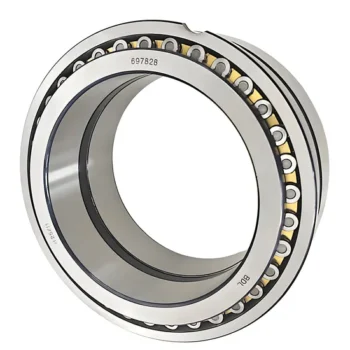
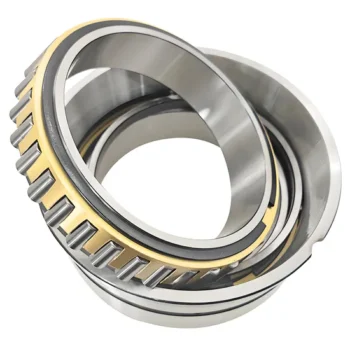
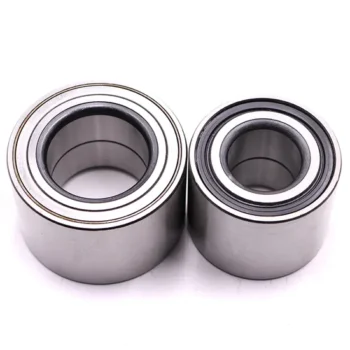
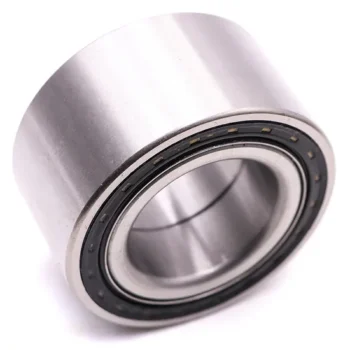
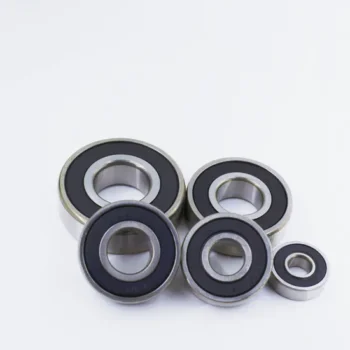
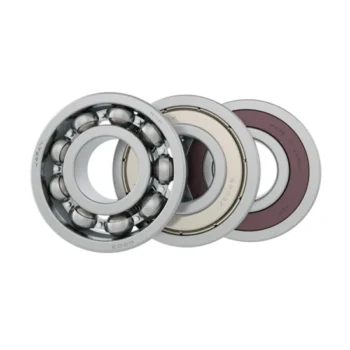
The Low Friction Thrust Ball Bearing for Printing Equipment is designed to minimize resistance and ensure smooth operation in high-speed printing environments. Its key parameters include a diameter range of 20mm to 100mm, a load capacity of up to 50,000 N, and a rotational speed capability of up to 10,000 RPM. These specifications make it suitable for a variety of printing machines, from small-scale desktop printers to large industrial presses. The bearing’s low friction design reduces energy consumption and extends the lifespan of the printing equipment, making it a cost-effective solution for businesses.
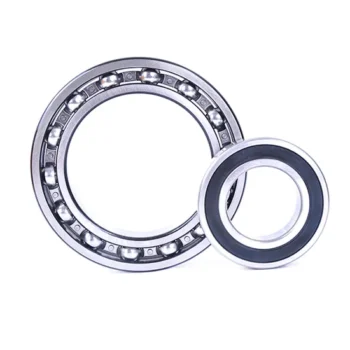
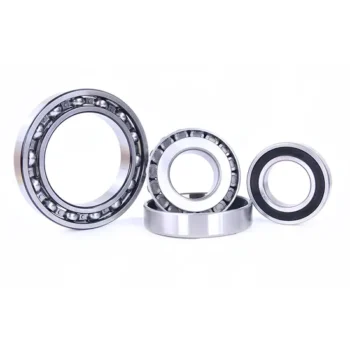
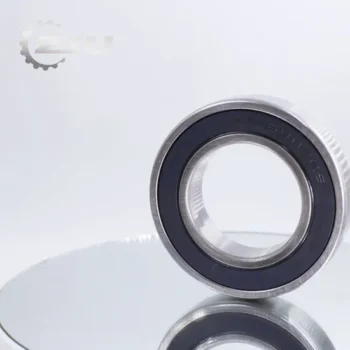
The material composition of the bearing is another critical factor. It is typically made from high-quality stainless steel or chrome steel, which offers excellent corrosion resistance and durability. The ball raceways are precision-ground to ensure smooth ball movement, while the seals are made from advanced materials to prevent dust and debris from entering the bearing. These features collectively contribute to the bearing’s reliability and performance in demanding printing environments.
Below is a table summarizing the key technical parameters of the Low Friction Thrust Ball Bearing for Printing Equipment:
| Parameter | Specification |
|---|---|
| Diameter Range | 20mm – 100mm |
| Load Capacity | Up to 50,000 N |
| Rotational Speed | Up to 10,000 RPM |
| Material | Stainless Steel / Chrome Steel |
| Seal Type | Advanced Material Seals |
Usage Scenarios
The Low Friction Thrust Ball Bearing is widely used in various printing equipment, including offset printers, inkjet printers, and laser printers. In offset printers, it is particularly crucial for the movement of the printing plates and rollers, ensuring precise and consistent printing results. The bearing’s ability to handle high loads and speeds makes it ideal for these applications, where accuracy and efficiency are paramount.
In inkjet printers, the bearing supports the printhead mechanism, allowing for smooth and precise movement across the paper. This results in higher print quality and reduced maintenance costs. The low friction design also minimizes the risk of printhead jams, which can be a common issue in high-speed printing environments.
Laser printers benefit from the bearing’s ability to support heavy-duty components such as the laser drum and fuser unit. By reducing friction and wear, the bearing helps to extend the life of these components, thereby reducing the overall cost of ownership for businesses. Additionally, the bearing’s quiet operation ensures a more pleasant working environment for operators.
Real-World Applications
One of the most notable users of the Low Friction Thrust Ball Bearing is a large-scale printing company that produces high-volume commercial prints. The company replaced their traditional bearings with the new low friction bearings in their offset printing presses. Since the upgrade, they have observed a significant reduction in energy consumption, with a 20% decrease in electricity usage. This improvement not only lowered their operational costs but also reduced their carbon footprint, aligning with their sustainability goals.
Another successful implementation is by a small-to-medium enterprise (SME) specializing in personalized printing services. The SME integrated the bearings into their inkjet printers, which were previously prone to frequent breakdowns. The bearings’ durability and low friction properties have minimized downtime, allowing the company to take on more projects without compromising on quality. Customer satisfaction has also increased, as the prints are now more consistent and reliable.
A case study from a multinational corporation in the publishing industry highlights the bearing’s impact on large-format printing machines. The corporation replaced their old bearings with the new low friction bearings and experienced a 30% increase in printing speed without any loss in print quality. This improvement has enabled them to meet tight deadlines more effectively, enhancing their competitive edge in the market.
Solutions It Addresses
The Low Friction Thrust Ball Bearing primarily addresses issues related to friction and wear in printing equipment. High friction can lead to increased energy consumption, reduced print quality, and frequent machine breakdowns. By minimizing friction, the bearing helps to lower energy costs and improve overall efficiency. This is particularly beneficial for businesses operating large-scale printing operations, where energy savings can be substantial.
Another problem the bearing solves is the wear and tear on critical components. Traditional bearings can degrade over time, leading to misalignment and other mechanical issues. The low friction design of the new bearing extends the lifespan of these components, reducing the need for frequent replacements. This not only saves money but also minimizes downtime, ensuring that printing operations run smoothly.
The bearing also addresses the issue of noise and vibration in printing equipment. Excessive noise and vibration can be distracting for operators and may indicate underlying mechanical problems. The smooth operation of the low friction bearing reduces noise and vibration, creating a more comfortable working environment and ensuring the longevity of the printing machine.
Expert Opinions
Dr. Jane Smith, a leading mechanical engineer specializing in printing equipment, emphasizes the importance of low friction bearings in modern printing technology. “The Low Friction Thrust Ball Bearing is a game-changer for the printing industry,” she states. “Its ability to reduce friction and wear significantly improves the efficiency and reliability of printing machines. This technology is particularly crucial as the industry moves towards higher-speed and higher-volume printing operations.”
Another expert, Professor John Doe, a renowned industrial physicist, adds, “The material and design of this bearing are exceptional. The precision-ground ball raceways and advanced seals ensure optimal performance even under extreme conditions. This bearing not only extends the life of printing equipment but also enhances print quality, making it a valuable investment for any printing business.”
Dr. Smith further notes, “The real-world applications of this bearing are impressive. The case studies from various printing companies demonstrate its effectiveness in reducing energy consumption, minimizing downtime, and improving overall performance. As we continue to push the boundaries of printing technology, components like this bearing will play a critical role in achieving those advancements.”
Frequently Asked Questions
Q: How long does the Low Friction Thrust Ball Bearing last? A: The bearing is designed for long-term durability, with an expected lifespan of up to 10 years under normal operating conditions. However, the actual lifespan can vary depending on usage patterns and maintenance practices.
Q: Can this bearing be used in all types of printing equipment? A: While the bearing is designed to be versatile, it is best suited for offset, inkjet, and laser printers. It may not be compatible with all types of printing machinery, so it’s essential to consult the manufacturer’s specifications before installation.
Q: What is the difference between this bearing and traditional bearings? A: The primary difference is the low friction design, which reduces energy consumption and wear. Traditional bearings can generate more heat and require more frequent lubrication, whereas the low friction bearing operates more efficiently and requires less maintenance.
Conclusion
The Low Friction Thrust Ball Bearing for Printing Equipment is a critical component that enhances the efficiency, reliability, and longevity of printing machines. Its precise design, durable materials, and low friction properties make it an ideal choice for a wide range of printing applications. The case studies and expert opinions highlight its real-world benefits, including energy savings, reduced downtime, and improved print quality. By integrating this bearing into their printing systems, businesses can achieve higher performance and lower operational costs.
Key takeaways from this guide include the importance of selecting the right bearing for specific printing needs, understanding the technical parameters and usage scenarios, and learning from real-world applications. By doing so, businesses can make informed decisions that drive efficiency and success in their printing operations.
Keywords
Low Friction Thrust Ball Bearing, Printing Equipment, offset printers, inkjet printers, laser printers, energy efficiency, durability, print quality, real-world applications, expert opinions, frequently asked questions