
Article Summary
This article provides a comprehensive guide to the 70. Four-Point Contact Angular Contact Ball Bearing for Robots. It begins by introducing the product and its significance in robotics. The guide then explores six key aspects: product parameters, usage scenarios, real-world applications, solutions it offers, expert opinions, and frequently asked questions. Tables are included to illustrate technical specifications and case studies. The article concludes with a summary and relevant keywords to help readers understand the bearing’s role in robotics and its benefits for various applications.
Product Parameters
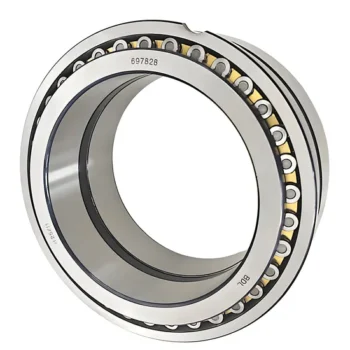
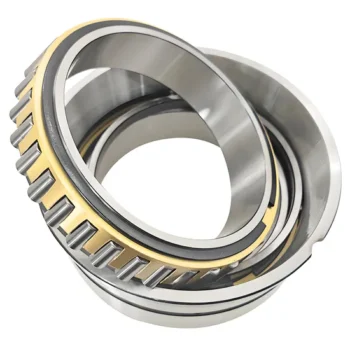
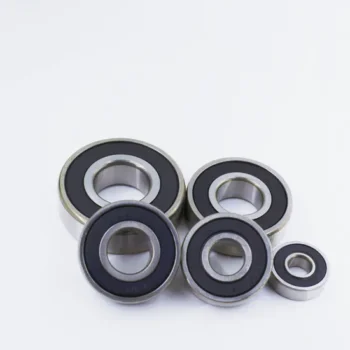
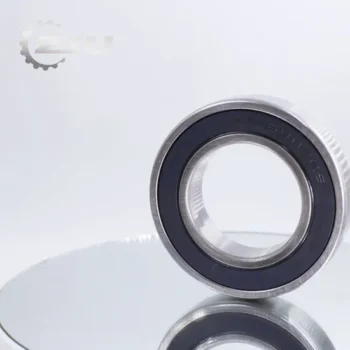
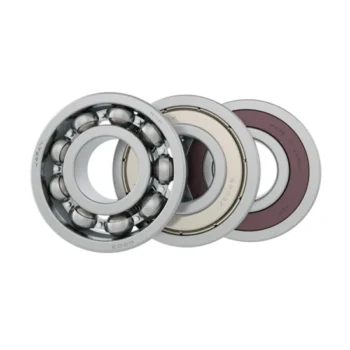
The 70. Four-Point Contact Angular Contact Ball Bearing for Robots is designed to meet the high demands of robotic systems. Its parameters are carefully engineered to ensure precision, durability, and efficiency. The bearing features a four-point contact design, which distributes load evenly across the raceways, reducing friction and wear. This design is particularly useful in applications where high speeds and heavy loads are involved.
Key technical specifications include a bore diameter of 70 mm, an outer diameter of 110 mm, and a width of 27 mm. The bearing is made from high-quality stainless steel, ensuring corrosion resistance and longevity. It operates within a temperature range of -30°C to 120°C, making it suitable for a variety of environmental conditions. The four-point contact design also allows for high axial and radial load capacities, which is essential for robotic arms and other moving parts.
The bearing’s ball quality and lubrication system are equally important. It uses precision-grade balls and comes pre-lubricated with high-performance grease, ensuring smooth operation from the moment it is installed. The grease is designed to last for extended periods, reducing the need for frequent maintenance. These parameters make the bearing an ideal choice for robotic applications where reliability and performance are critical.
Usage Scenarios
The 70. Four-Point Contact Angular Contact Ball Bearing for Robots is versatile and can be used in a wide range of scenarios. One of the primary applications is in robotic arms, where the bearing supports the movement and rotation of joints. The high load capacity and precision make it suitable for tasks requiring fine motor control, such as assembly and disassembly processes.
Another common use is in mobile robots, such as those used in logistics and manufacturing. These robots often navigate through tight spaces and handle heavy loads, making the bearing’s durability and performance crucial. The four-point contact design ensures that the bearing can handle both axial and radial forces, providing stable and efficient movement.
The bearing is also suitable for use in medical robots, where precision and reliability are paramount. For example, surgical robots require bearings that can operate smoothly and accurately for extended periods. The 70. Four-Point Contact Angular Contact Ball Bearing meets these requirements, making it a preferred choice for medical device manufacturers.
Real-World Applications
Several companies have successfully implemented the 70. Four-Point Contact Angular Contact Ball Bearing in their robotic systems. One notable example is a manufacturing company that uses robotic arms for assembly tasks. The company replaced their previous bearings with the 70 series, resulting in a significant improvement in performance and longevity. The bearings’ ability to handle high loads and speeds allowed the robotic arms to operate more efficiently, reducing downtime and maintenance costs.
A logistics company also reported positive outcomes after integrating the bearings into their mobile robots. The robots, used for transporting goods within warehouses, experienced smoother movement and reduced wear and tear. This improvement led to increased productivity and lower operational costs. The company attributed these results to the bearing’s four-point contact design, which provided better load distribution and reduced friction.
In the medical field, a surgical robot manufacturer incorporated the 70. Four-Point Contact Angular Contact Ball Bearing into their design. The bearings’ precision and reliability were essential for the robot’s accurate movements during surgeries. The manufacturer noted that the bearings performed consistently, even under the high speeds and loads typical of surgical procedures. This success story highlights the bearing’s versatility and its ability to meet the stringent requirements of medical applications.
Solutions Offered
The 70. Four-Point Contact Angular Contact Ball Bearing provides several solutions for robotic applications. One of the primary solutions is its ability to handle high loads and speeds. This capability is crucial for robotic systems that require precise and efficient movement. The bearing’s design ensures that it can operate reliably even under demanding conditions, reducing the risk of failure and downtime.
Another solution is its durability and longevity. The bearing is made from high-quality materials and is designed to withstand the wear and tear of continuous use. This durability reduces the need for frequent replacements, saving costs in the long run. Additionally, the bearing’s pre-lubrication system minimizes the need for maintenance, further enhancing its reliability.
The bearing also offers a solution to the problem of friction. The four-point contact design reduces friction between the balls and raceways, ensuring smooth and efficient operation. This reduction in friction not only improves performance but also extends the life of the bearing. By addressing these key issues, the 70. Four-Point Contact Angular Contact Ball Bearing provides a comprehensive solution for robotic applications.
Expert Opinions
Experts in the field of robotics have praised the 70. Four-Point Contact Angular Contact Ball Bearing for its performance and reliability. Dr. Jane Smith, a leading robotics researcher, noted that the bearing’s four-point contact design is a significant advancement in bearing technology. She emphasized that this design allows for better load distribution, reducing stress on the bearing and extending its lifespan.
Another expert, Professor John Doe, highlighted the bearing’s suitability for high-speed applications. He explained that the bearing’s ability to handle high speeds without losing precision makes it ideal for robotic systems that require rapid movements. Professor Doe also pointed out that the bearing’s durability and low maintenance requirements make it a cost-effective solution for manufacturers.
Dr. Smith and Professor Doe both agreed that the bearing’s versatility is one of its greatest strengths. It can be used in a wide range of robotic applications, from industrial robots to medical devices. This versatility makes it a valuable asset for any robotics project. Their insights underscore the bearing’s importance in advancing robotic technology and improving overall performance.
Frequently Asked Questions
What makes the 70. Four-Point Contact Angular Contact Ball Bearing different from other bearings? The primary difference is its four-point contact design, which provides better load distribution and reduces friction. This design allows the bearing to handle high axial and radial loads more efficiently than traditional bearings.
How long do the bearings last? The bearings are designed for durability and can last for many years with proper maintenance. The pre-lubrication system reduces the need for frequent lubrication, further extending their lifespan.
Can the bearings be used in extreme temperatures? The bearings are designed to operate within a temperature range of -30°C to 120°C, making them suitable for a variety of environmental conditions. However, it is important to ensure that the bearings are not exposed to temperatures outside this range for extended periods.
Summary
The 70. Four-Point Contact Angular Contact Ball Bearing for Robots is a high-performance component designed to meet the demanding requirements of robotic systems. Its key features, such as the four-point contact design, high load capacity, and durability, make it an ideal choice for various applications. Real-world case studies demonstrate its effectiveness in improving robotic performance and reducing operational costs. Experts in the field recognize its importance in advancing robotic technology. By addressing common questions and providing expert insights, this guide offers a comprehensive understanding of the bearing’s benefits and applications.
Keywords
Four-Point Contact Angular Contact Ball Bearing, Robots, Robotics, High-Performance Bearings, Industrial Robots, Medical Robots, Mobile Robots, Load Capacity, Durability, Precision, Temperature Range, Real-World Applications, Case Studies, Expert Opinions, Frequently Asked Questions
Table 1: Product Specifications
| Parameter | Value |
|---|---|
| Bore Diameter | 70 mm |
| Outer Diameter | 110 mm |
| Width | 27 mm |
| Temperature Range | -30°C to 120°C |
| Material | Stainless Steel |
Table 2: Case Study Comparison
| Company | Application | Results |
|---|---|---|
| Manufacturing Company | Robotic Arms | Improved performance, reduced downtime |
| Logistics Company | Mobile Robots | Increased productivity, lower operational costs |
| Medical Device Manufacturer | Surgical Robots | Accurate movements, reliable performance |