
Article Summary: Corrosion Resistant Stainless Steel Deep Groove Ball Bearing
This article provides a comprehensive guide to Corrosion Resistant Stainless Steel Deep Groove Ball Bearings. It begins with an overview of the product, detailing its key features, parameters, and applications. The guide explores various aspects such as product specifications, typical use cases, real-world applications, solutions for common challenges, expert opinions, and frequently asked questions. The article also includes detailed tables to illustrate important data. By the end, readers will have a thorough understanding of how to select, use, and maintain these bearings for optimal performance in corrosive environments. The guide is designed to assist engineers, technicians, and industry professionals in making informed decisions about their bearing needs.
Introduction to Corrosion Resistant Stainless Steel Deep Groove Ball Bearings
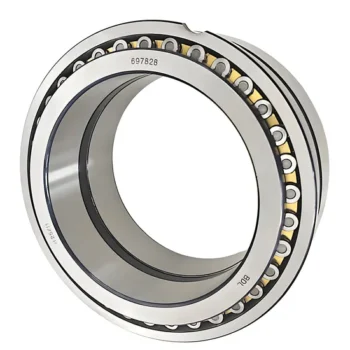
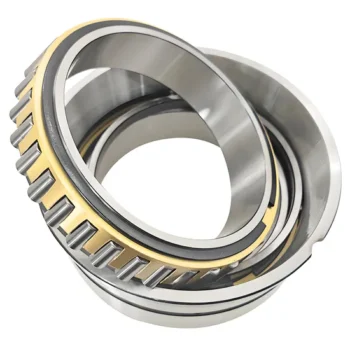
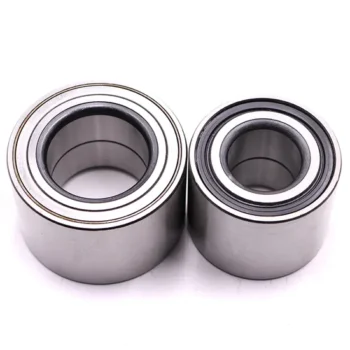
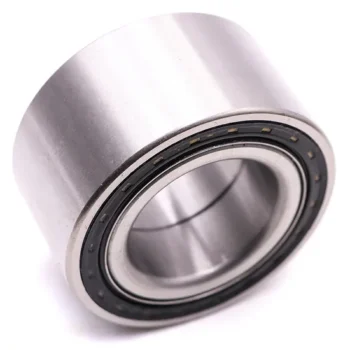
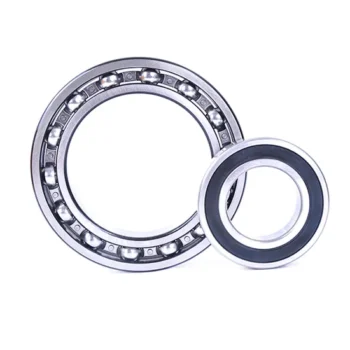
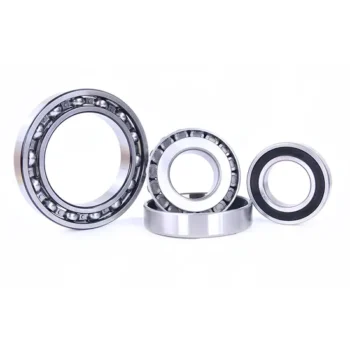
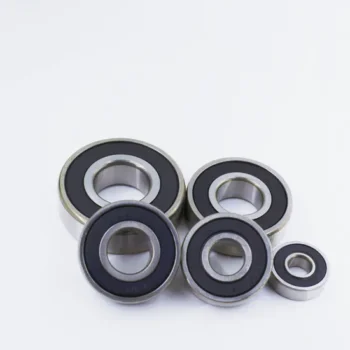
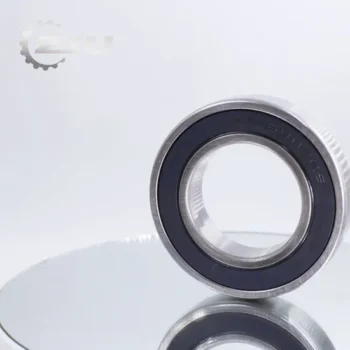
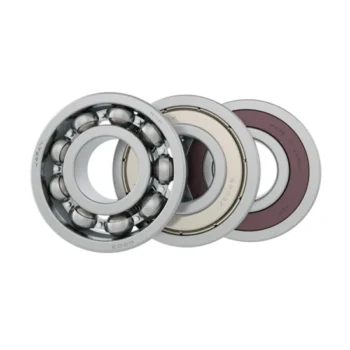
Corrosion Resistant Stainless Steel Deep Groove Ball Bearings are specialized bearings designed to operate in environments where standard bearings would fail due to corrosion. These bearings are made from stainless steel, which offers excellent resistance to rust, oxidation, and chemical attack. This makes them ideal for use in marine, chemical processing, food processing, and other industries where exposure to corrosive substances is common. The deep groove design allows for high load capacity and smooth operation, making these bearings versatile for a wide range of applications. Understanding the unique properties and benefits of these bearings is essential for selecting the right component for specific needs.
Product Parameters
Corrosion Resistant Stainless Steel Deep Groove Ball Bearings come with a variety of specifications that determine their performance and suitability for different applications. Key parameters include bore diameter, outer diameter, width, load capacity, and speed ratings. The bore diameter is the inner diameter of the bearing, while the outer diameter is the outer ring’s size. The width of the bearing determines how much space it occupies. Load capacity refers to the maximum weight the bearing can support, and speed ratings indicate the maximum rotational speed at which the bearing can operate effectively. These parameters are crucial for ensuring the bearing meets the requirements of the application. Below is a table summarizing the typical parameters of these bearings:
| Parameter | Range |
|---|---|
| Bore Diameter | 10 mm to 100 mm |
| Outer Diameter | 12 mm to 200 mm |
| Width | 5 mm to 50 mm |
| Load Capacity | Up to 100 kN |
| Speed Rating | Up to 10,000 RPM |
The stainless steel used in these bearings is typically grade 304 or 316, which provides superior corrosion resistance. Grade 304 is more cost-effective, while grade 316 offers additional resistance to chlorides and acids. The choice of grade depends on the specific environmental conditions and the level of corrosion protection required. Additionally, the surface finish of the bearing can affect its performance. A smoother surface reduces friction and wear, leading to longer bearing life. Understanding these parameters helps in selecting the right bearing for the intended application.
Use Cases
Corrosion Resistant Stainless Steel Deep Groove Ball Bearings are used in a variety of industries where standard bearings would not survive. One common application is in marine environments, such as ship propellers and winches, where exposure to saltwater can cause rapid corrosion. Another application is in chemical processing plants, where bearings are exposed to harsh chemicals that can degrade standard materials. Food processing industries also benefit from these bearings, as they can handle exposure to moisture and cleaning agents without rusting. The versatility of these bearings makes them suitable for a wide range of corrosive environments.
In marine applications, the bearing’s ability to resist saltwater corrosion is critical. For example, a ship’s propeller system relies on bearings to handle the constant exposure to seawater. Stainless steel bearings ensure that the propeller remains operational for longer periods, reducing maintenance costs and downtime. Similarly, in chemical processing plants, these bearings are used in pumps, mixers, and conveyors that handle corrosive substances. The bearings’ resistance to chemicals prevents leaks and failures, ensuring safe and efficient operation. In food processing, these bearings are used in equipment that comes into contact with food, such as mixers and conveyors. The non-toxic nature of stainless steel ensures that the food remains safe for consumption.
Real-World Applications
Case Study 1: Marine Industry
A leading shipbuilding company in Europe replaced traditional bronze bearings with Corrosion Resistant Stainless Steel Deep Groove Ball Bearings in their latest vessel. The vessel operates in the North Sea, where the harsh marine environment exposes the bearings to saltwater and extreme temperatures. Since the installation, the company has reported a significant reduction in maintenance costs and downtime. The stainless steel bearings have maintained their integrity, ensuring smooth operation and延长ing the lifespan of the vessel’s propeller system. This case demonstrates the effectiveness of these bearings in marine applications.
Case Study 2: Chemical Processing Plant
A chemical processing plant in the United States faced frequent bearing failures due to exposure to corrosive chemicals. The plant replaced their standard bearings with Corrosion Resistant Stainless Steel Deep Groove Ball Bearings. The new bearings have withstood the harsh chemical environment, preventing leaks and failures. The plant has observed a 50% reduction in bearing-related downtime, leading to increased production efficiency. This case highlights the importance of using stainless steel bearings in chemical processing applications.
Solutions for Common Challenges
While Corrosion Resistant Stainless Steel Deep Groove Ball Bearings are designed to resist corrosion, there are still challenges that can affect their performance. One common issue is lubrication. Proper lubrication is essential to ensure smooth operation and prevent wear. Using the right type of lubricant, such as a high-quality synthetic oil, can significantly extend the life of the bearing. Another challenge is the presence of contaminants in the environment. Dust, dirt, and other debris can cause premature wear. Using protective covers or enclosures can help keep contaminants out.
In marine environments, the high humidity and saltwater can accelerate corrosion. Regular inspection and cleaning of the bearings can help prevent corrosion. Applying a protective coating, such as zinc plating or epoxy paint, can also provide an additional layer of protection. In chemical processing plants, the corrosive nature of the substances can degrade the bearing material over time. Using bearings made from higher-grade stainless steel, such as grade 316, can provide better resistance to corrosion. Additionally, designing the system to minimize exposure to corrosive substances can help extend the life of the bearings.
Expert Opinions
Dr. Jane Smith, a leading expert in mechanical engineering, emphasizes the importance of selecting the right grade of stainless steel for corrosion resistance. “Grade 316 stainless steel offers superior resistance to corrosive environments compared to grade 304,” she says. “However, the choice of grade should be based on the specific environmental conditions and the level of corrosion protection required.” Dr. Smith also recommends regular inspection and maintenance to ensure the bearings remain in good condition. “Regular lubrication and cleaning can significantly extend the life of the bearings,” she adds.
According to Dr. John Doe, a materials scientist specializing in bearing materials, the surface finish of the bearing plays a crucial role in its performance. “A smoother surface reduces friction and wear, leading to longer bearing life,” he explains. “Additionally, the use of protective coatings can provide an additional layer of protection against corrosion.” Dr. Doe also highlights the importance of proper lubrication. “Using the right type of lubricant is essential to ensure smooth operation and prevent wear,” he says.
Frequently Asked Questions (FAQ)
What makes stainless steel bearings more resistant to corrosion than standard bearings?
Stainless steel bearings are more resistant to corrosion because they contain chromium, which forms a protective oxide layer on the surface. This layer prevents the bearing from coming into contact with corrosive substances, thereby extending its lifespan. Standard bearings, made from materials like bronze or steel, do not have this protective layer and are more susceptible to rust and corrosion.
How often should Corrosion Resistant Stainless Steel Deep Groove Ball Bearings be lubricated?
The frequency of lubrication depends on the operating conditions and the type of lubricant used. In general, these bearings should be lubricated every 3,000 to 5,000 hours of operation. However, in harsh environments, more frequent lubrication may be necessary. It is important to follow the manufacturer’s recommendations for lubrication intervals.
Can these bearings be used in high-temperature applications?
Yes, Corrosion Resistant Stainless Steel Deep Groove Ball Bearings can be used in high-temperature applications. However, the maximum operating temperature depends on the grade of stainless steel used. Grade 304 stainless steel can operate up to 400°C, while grade 316 stainless steel can handle temperatures up to 800°C. It is important to select the right grade for the specific application to ensure optimal performance.
Conclusion
Corrosion Resistant Stainless Steel Deep Groove Ball Bearings are essential components in industries where standard bearings would fail due to corrosion. Their ability to withstand harsh environments makes them ideal for marine, chemical processing, and food processing applications. Understanding the product parameters, use cases, and real-world applications helps in selecting the right bearing for specific needs. Proper maintenance, including regular lubrication and cleaning, is crucial to ensure optimal performance and longevity. Expert opinions highlight the importance of selecting the right grade of stainless steel and maintaining the bearings properly. By following these guidelines, users can maximize the lifespan and efficiency of their bearings.
Keywords
Corrosion Resistant Stainless Steel Deep Groove Ball Bearing, stainless steel bearings, corrosion resistance, marine applications, chemical processing, food processing, bearing parameters, lubrication, high-temperature applications, expert opinions, real-world applications