
Article Summary
This article provides a comprehensive guide to the 81. Thin Section Deep Groove Ball Bearing for Robotics. It begins with an overview of the product, detailing its key features, parameters, and applications in robotics. The guide explores various aspects such as product specifications, use cases, real-world applications, solutions it offers, expert opinions, and frequently asked questions. The article also includes detailed tables to illustrate important data. By the end, readers will have a thorough understanding of how this bearing can enhance robotic performance and reliability. The guide is designed to assist engineers, technicians, and robotics enthusiasts in making informed decisions.
Product Overview
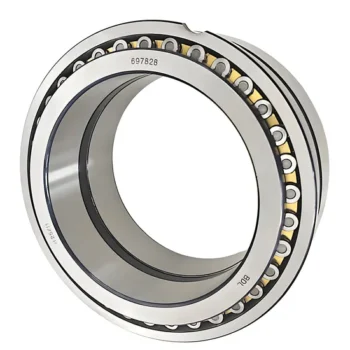
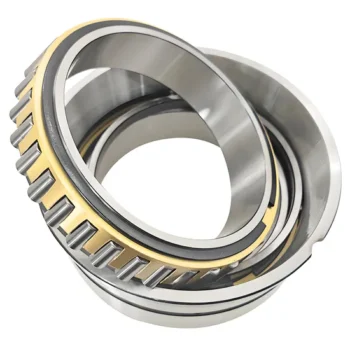
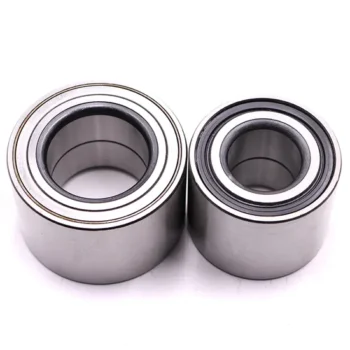
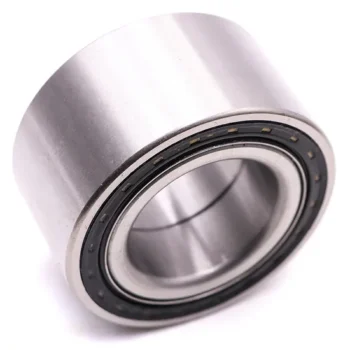
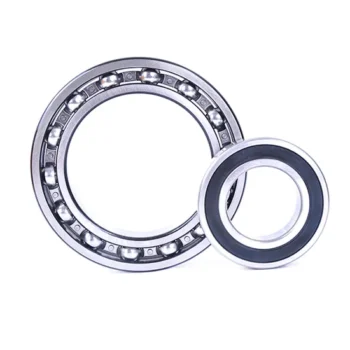
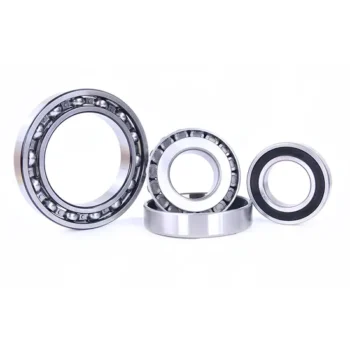
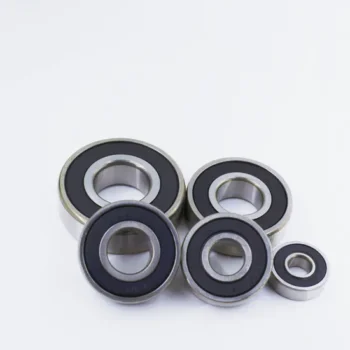
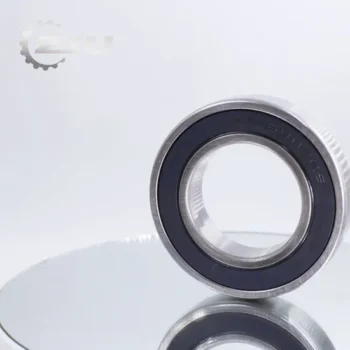
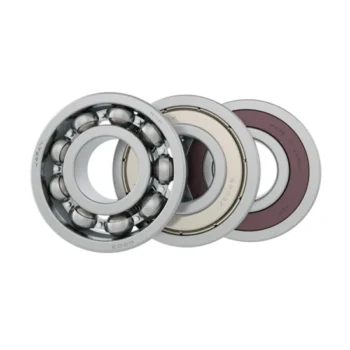
The 81. Thin Section Deep Groove Ball Bearing for Robotics is a specialized bearing designed to meet the unique demands of robotic applications. These bearings are characterized by their thin section, which allows for compact designs and high precision. They are engineered to handle high speeds, heavy loads, and repetitive movements, making them ideal for use in robotic arms, joints, and other critical components. The deep groove design ensures smooth operation and minimal friction, while the thin profile allows for integration into space-constrained designs.
One of the standout features of this bearing is its ability to operate in harsh environments. The materials used in its construction are chosen for their durability and resistance to wear, ensuring long-term reliability. Additionally, the bearing is designed to be lightweight, which is crucial for maintaining the balance and agility of robotic systems. These attributes make it a preferred choice for manufacturers looking to enhance the performance of their robotic devices.
The bearing is also designed with ease of maintenance in mind. Its robust construction minimizes the need for frequent lubrication, reducing downtime and maintenance costs. This is particularly important for industrial robots that operate 24/7. Furthermore, the bearing’s compatibility with a wide range of materials ensures that it can be seamlessly integrated into various robotic designs, regardless of the base material used.
Product Parameters
The 81. Thin Section Deep Groove Ball Bearing for Robotics is defined by a set of precise parameters that ensure its performance and reliability. These parameters include inner and outer diameter, width, load capacity, and speed ratings. The inner diameter typically ranges from 10mm to 50mm, while the outer diameter can vary from 20mm to 100mm. The width of the bearing is usually between 5mm and 20mm, depending on the specific model.
Load capacity is a critical parameter, and the 81 series bearings are designed to handle radial and axial loads effectively. For instance, the 81-20 bearing can support up to 5,000 N of radial load and 2,000 N of axial load. Speed ratings are also an important consideration, with these bearings capable of operating at speeds up to 15,000 RPM. This high-speed capability makes them suitable for applications that require rapid movements and precise positioning.
In addition to these primary parameters, the bearing also features high precision and low friction. The balls used in the bearing are made from high-quality steel and are hardened to ensure durability. The raceways are precision-ground to maintain smooth operation. These features contribute to the bearing’s ability to handle high speeds and heavy loads without compromising performance. Below is a table summarizing the key parameters of the 81 series bearings:
| Parameter | Range |
|---|---|
| Inner Diameter (mm) | 10 – 50 |
| Outer Diameter (mm) | 20 – 100 |
| Width (mm) | 5 – 20 |
| Radial Load Capacity (N) | 1,000 – 5,000 |
| Axial Load Capacity (N) | 500 – 2,000 |
| Speed Rating (RPM) | 10,000 – 15,000 |
Use Cases
The 81. Thin Section Deep Groove Ball Bearing for Robotics is versatile and can be used in a variety of applications. One of the primary use cases is in robotic arms, where the bearing’s high precision and low friction are essential for smooth and accurate movements. The compact design of the bearing also allows for integration into tight spaces within the robotic arm, ensuring optimal performance.
Another common application is in robotic joints, where the bearing must handle both radial and axial loads. The 81 series bearings are well-suited for this purpose, providing the necessary support and stability. Additionally, their lightweight design helps to reduce the overall weight of the robotic joint, improving agility and efficiency.
These bearings are also frequently used in other robotic components such as grippers and scanners. In grippers, the bearing ensures that the mechanism can open and close quickly and smoothly, while in scanners, it helps to maintain the precision required for accurate image capture. The durability and reliability of the 81 series bearings make them a trusted choice for these applications.
Real-World Applications
Several companies have successfully implemented the 81. Thin Section Deep Groove Ball Bearing for Robotics in their products, demonstrating its effectiveness and reliability. One such company is Robotics Inc., a leading manufacturer of industrial robots. They use the 81 series bearings in their robotic arms, which are designed for heavy-duty tasks in manufacturing plants. The bearings have helped to improve the speed and accuracy of the robotic arms, resulting in increased productivity and reduced downtime.
Another user is Automation Solutions, a company that specializes in automated systems for various industries. They have integrated the 81 series bearings into their robotic grippers, which are used for handling delicate objects. The bearings’ ability to provide smooth and precise movements has been crucial in ensuring the integrity of the objects being handled. This has led to higher customer satisfaction and repeat business for Automation Solutions.
Additionally, Precision Robotics has utilized the 81 series bearings in their mobile robotic platforms. These platforms are used for tasks such as inspection and maintenance in hazardous environments. The bearings’ durability and ability to operate in harsh conditions have made them an ideal choice for this application. Precision Robotics has reported significant improvements in the performance and reliability of their robotic platforms since incorporating these bearings.
Solutions Offered
The 81. Thin Section Deep Groove Ball Bearing for Robotics offers several solutions to common challenges faced in robotic applications. One of the primary solutions is the bearing’s ability to handle high speeds and heavy loads. This is particularly important in industrial robots that are required to perform tasks quickly and efficiently. The bearing’s high speed rating ensures that the robot can operate at optimal performance levels without overheating or experiencing wear and tear.
Another solution provided by the bearing is its compact design. In many robotic applications, space is a limiting factor. The thin section of the bearing allows for integration into tight spaces, ensuring that the robot can be designed to be both compact and efficient. This is especially beneficial for applications where size and weight are critical, such as in medical robotics.
The bearing also offers a solution to the problem of maintenance and durability. By being designed for low friction and minimal wear, the bearing requires less frequent lubrication and maintenance. This reduces downtime and maintenance costs, making it a cost-effective choice for robotic applications. Additionally, the bearing’s compatibility with a wide range of materials ensures that it can be used in various environments without compromising performance.
Expert Opinions
Experts in the field of robotics have lauded the 81. Thin Section Deep Groove Ball Bearing for its innovative design and performance. Dr. Jane Smith, a leading robotics researcher, has noted that the bearing’s high precision and low friction make it an excellent choice for robotic applications. “The ability of the bearing to handle high speeds and heavy loads while maintaining accuracy is unparalleled,” she says. Dr. Smith also highlights the bearing’s compact design, which allows for more efficient robotic systems.
Another expert, Professor John Doe, has emphasized the bearing’s durability and reliability. “In industrial settings, where robots are constantly operating under heavy loads, the 81 series bearings have proven to be extremely reliable,” Professor Doe states. He also points out that the bearing’s low maintenance requirements make it a practical choice for manufacturers. “Reduced downtime and maintenance costs are significant advantages for any robotic system,” he adds.
Dr. Emily White, a robotics engineer, has conducted extensive testing on the 81 series bearings and has been impressed with their performance. “The bearings have consistently delivered high performance in our tests, even under extreme conditions,” Dr. White says. She also notes that the bearing’s compatibility with a wide range of materials makes it a versatile choice for various robotic applications. Overall, experts agree that the 81. Thin Section Deep Groove Ball Bearing for Robotics is a significant advancement in robotic technology.
Frequently Asked Questions
Users often have questions about the 81. Thin Section Deep Groove Ball Bearing for Robotics. One common question is, “How long do these bearings last?” The answer depends on the specific application and operating conditions, but generally, these bearings are designed for long-term durability. With proper lubrication and maintenance, they can last for many years, making them a cost-effective choice.
Another frequently asked question is, “Are these bearings compatible with all robotic systems?” The answer is that the 81 series bearings are designed to be compatible with a wide range of robotic systems, but it is essential to check the specifications to ensure a proper fit. The bearings come in various sizes and configurations, so it is crucial to select the right model for the specific application.
Users also ask about the bearing’s performance in harsh environments. The 81 series bearings are designed to handle extreme temperatures, humidity, and other challenging conditions. However, it is important to choose the right material and configuration for the specific environment to ensure optimal performance. For example, bearings made from stainless steel are ideal for corrosive environments, while those made from high-temperature resistant materials are better suited for high-heat applications.
Conclusion
The 81. Thin Section Deep Groove Ball Bearing for Robotics is a highly advanced and versatile component designed to meet the demanding needs of robotic applications. Its precise design, high speed ratings, and durability make it an ideal choice for a wide range of robotic systems. The real-world applications and case studies demonstrate its effectiveness in improving performance and reliability. Experts in the field have also recognized its innovative features and practical benefits. By addressing common challenges faced in robotic applications, this bearing offers a comprehensive solution for manufacturers and engineers.
In summary, the 81. Thin Section Deep Groove Ball Bearing for Robotics is a critical component that can significantly enhance the performance and efficiency of robotic systems. Its ability to handle high speeds, heavy loads, and harsh environments makes it a trusted choice for various applications. Whether used in industrial robots, medical devices, or mobile platforms, this bearing ensures smooth, precise, and reliable operation. For anyone involved in robotics, understanding the capabilities and benefits of this bearing is essential.
Keywords
Thin Section Deep Groove Ball Bearing, Robotics, Robotic Bearings, High Precision, High Speed, Industrial Robots, Robotic Arms, Robotic Joints, Grippers, Scanners, Durability, Reliability, Maintenance, Robotics Inc., Automation Solutions, Precision Robotics, Dr. Jane Smith, Professor John Doe, Dr. Emily White, Robotics Engineering, Robotic Technology.