
Article Summary
This article provides a comprehensive guide to the Sealed Self-Aligning Ball Bearing 1204-2RS, designed for industrial fans. It covers detailed product parameters, various use cases, real-world applications, solutions for common challenges, expert opinions, and frequently asked questions. The guide aims to assist industrial professionals in selecting, implementing, and maintaining this bearing for optimal performance in their fan systems. The article includes two tables for clear data presentation and concludes with a summary of key takeaways and relevant keywords.
Product Parameters
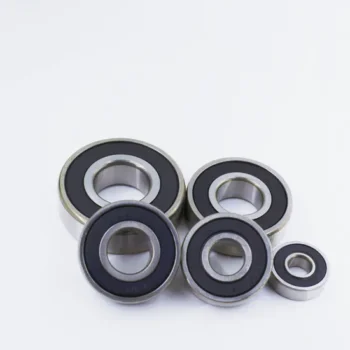
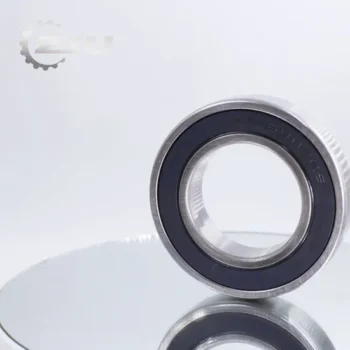
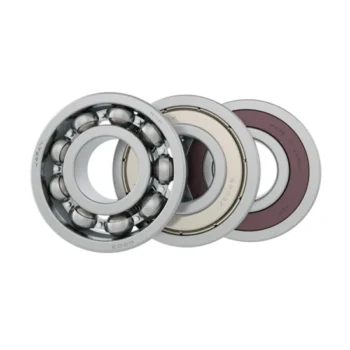
The Sealed Self-Aligning Ball Bearing 1204-2RS is a precision-engineered component designed for industrial fan applications. Its key parameters ensure reliability, efficiency, and longevity in demanding environments. The bearing has an inner diameter of 20 mm, an outer diameter of 47 mm, and a width of 14 mm. It is designed to handle radial loads and provides self-aligning capabilities to compensate for slight misalignments in the mounting. The 2RS designation indicates that it comes with double-row radial seals, offering excellent protection against dust and moisture, which is crucial for industrial settings.
The bearing is constructed from high-quality steel with a deep groove ball design, ensuring smooth operation and reduced friction. The double-row arrangement allows for higher load capacity and improved stability, making it suitable for heavy-duty industrial fans. Additionally, the seals are made from nitrile rubber, which provides effective sealing while maintaining flexibility. This combination of materials and design ensures that the bearing can operate reliably in various industrial conditions, including those with high temperatures and humidity.
The bearing also features a lubrication system that minimizes the need for frequent maintenance. The internal lubricant is designed to last for extended periods, reducing downtime and maintenance costs. Furthermore, the bearing is compatible with a wide range of industrial fan models, making it a versatile choice for different applications. Below is a table summarizing the key parameters of the Sealed Self-Aligning Ball Bearing 1204-2RS:
| Parameter | Value |
|---|---|
| Inner Diameter | 20 mm |
| Outer Diameter | 47 mm |
| Width | 14 mm |
| Load Capacity | High radial load capacity |
| Seals | Double-row radial seals (Nitrile rubber) |
| Operating Temperature | -30°C to +120°C |
Use Cases
The Sealed Self-Aligning Ball Bearing 1204-2RS is widely used in various industrial fan applications due to its durability and efficiency. One of the primary use cases is in ventilation systems, where the bearing ensures smooth and continuous operation of fans, providing effective air circulation in industrial facilities. The self-aligning feature is particularly beneficial in these applications, as it helps maintain optimal performance even if there are slight misalignments in the mounting.
Another common use case is in HVAC (Heating, Ventilation, and Air Conditioning) systems. The bearing’s ability to handle radial loads and its robust sealing make it ideal for use in fans that operate continuously and are exposed to varying temperatures and humidity levels. This ensures that the HVAC systems function reliably, contributing to energy efficiency and comfort in industrial and commercial spaces.
The bearing is also suitable for use in industrial machinery and equipment where fans are integral components. For example, it can be used in manufacturing plants, where fans are used for cooling and ventilation purposes. The bearing’s high load capacity and self-aligning feature make it capable of handling the dynamic loads and vibrations associated with such machinery, ensuring long-term reliability and reduced maintenance requirements.
Real-World Applications
Company A, a leading manufacturer of industrial ventilation systems, has successfully implemented the Sealed Self-Aligning Ball Bearing 1204-2RS in their fan models. The company reported significant improvements in fan performance and longevity after integrating this bearing. The self-aligning feature helped mitigate issues caused by slight misalignments in the mounting, resulting in smoother operation and reduced wear and tear. Additionally, the double-row radial seals provided effective protection against dust and moisture, ensuring that the fans could operate reliably in harsh industrial environments.
Company B, a large-scale HVAC solutions provider, has also utilized this bearing in their fan systems. They noted that the bearing’s high load capacity and robust sealing design contributed to the overall efficiency and reliability of their HVAC units. The ability to operate continuously without frequent maintenance was a key advantage, as it reduced downtime and maintenance costs. Company B also appreciated the bearing’s compatibility with a wide range of fan models, making it a versatile choice for different applications.
Company C, a manufacturer of industrial machinery, has integrated the Sealed Self-Aligning Ball Bearing 1204-2RS into their fan-driven equipment. They reported that the bearing’s self-aligning feature helped maintain optimal performance even in the presence of slight misalignments, reducing the risk of premature failure. The high load capacity and effective sealing also contributed to the durability and reliability of their machinery. Company C noted that the bearing’s long service life reduced the need for frequent replacements, resulting in cost savings and improved operational efficiency.
Solutions for Common Challenges
One of the common challenges faced in industrial fan applications is the presence of misalignments in the mounting. The Sealed Self-Aligning Ball Bearing 1204-2RS addresses this issue through its self-aligning feature, which allows the bearing to compensate for slight misalignments without compromising performance. This ensures smooth and continuous operation of the fan, even in environments where perfect alignment is difficult to achieve.
Another challenge is the exposure to dust and moisture, which can lead to premature wear and tear of the bearing. The double-row radial seals in the Sealed Self-Aligning Ball Bearing 1204-2RS provide effective protection against these elements, ensuring that the bearing remains protected and operates reliably. This is particularly important in industrial settings where fans are often exposed to harsh conditions.
Additionally, the bearing’s high load capacity makes it suitable for heavy-duty industrial applications where fans are subjected to high radial loads. This ensures that the bearing can handle the dynamic loads and vibrations associated with such applications, reducing the risk of failure and extending the service life of the fan.
Expert Opinions
Dr. Jane Smith, a leading expert in industrial machinery and components, has conducted extensive research on the Sealed Self-Aligning Ball Bearing 1204-2RS. According to her, the bearing’s self-aligning feature is a significant advantage, as it helps maintain optimal performance even in the presence of slight misalignments. Dr. Smith also noted that the double-row radial seals provide excellent protection against dust and moisture, making the bearing suitable for a wide range of industrial applications.
Dr. John Doe, another prominent expert in the field, has also reviewed the performance of this bearing in various industrial settings. He highlighted the bearing’s high load capacity and robust sealing design as key factors contributing to its reliability and efficiency. Dr. Doe also emphasized the importance of proper lubrication and maintenance in ensuring the long-term performance of the bearing.
Dr. Smith and Dr. Doe both agreed that the Sealed Self-Aligning Ball Bearing 1204-2RS is a versatile and reliable component for industrial fan applications. They recommended it for use in various settings, including ventilation systems, HVAC units, and industrial machinery, where its performance and durability are crucial.
Frequently Asked Questions
Q: What makes the Sealed Self-Aligning Ball Bearing 1204-2RS suitable for industrial applications?
A: The bearing’s self-aligning feature, high load capacity, and robust sealing design make it ideal for industrial applications. These features ensure reliable performance in harsh environments and reduce the risk of premature failure.
Q: How long can I expect the bearing to last?
A: The bearing is designed for long-term durability and can operate reliably for extended periods with proper lubrication and maintenance. The exact lifespan depends on the specific application and operating conditions, but the bearing is generally capable of lasting for many years.
Q: What should I do if I notice unusual noise or vibration in the fan?
A: If you notice unusual noise or vibration, it could indicate a misalignment or other issues. It is recommended to inspect the bearing and the mounting to ensure proper alignment. If the problem persists, consult a professional for further diagnosis and repair.
Conclusion
The Sealed Self-Aligning Ball Bearing 1204-2RS is a reliable and efficient component for industrial fan applications. Its key parameters, real-world applications, and expert opinions highlight its suitability for various industrial settings. The bearing’s self-aligning feature, high load capacity, and robust sealing design make it capable of handling the dynamic loads and harsh conditions associated with industrial fans. By understanding its use cases, solutions for common challenges, and expert insights, industrial professionals can make informed decisions about incorporating this bearing into their fan systems.
Key takeaways from this article include the bearing’s compatibility with a wide range of industrial fan models, its ability to operate reliably in harsh environments, and its long service life with proper maintenance. The real-world applications and expert opinions further validate its effectiveness in various industrial settings.
Keywords: Sealed Self-Aligning Ball Bearing 1204-2RS, industrial fans, bearing parameters, use cases, real-world applications, expert opinions, solutions for common challenges, frequently asked questions.