
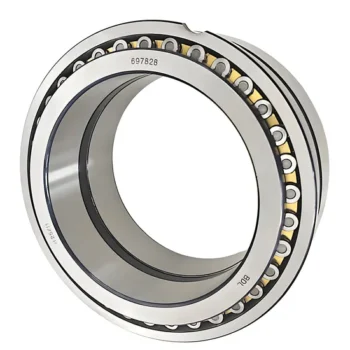
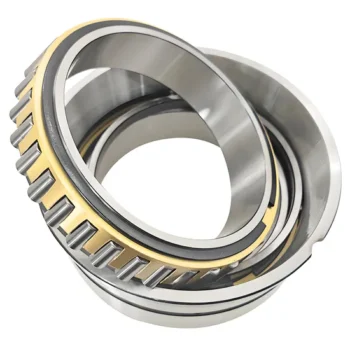
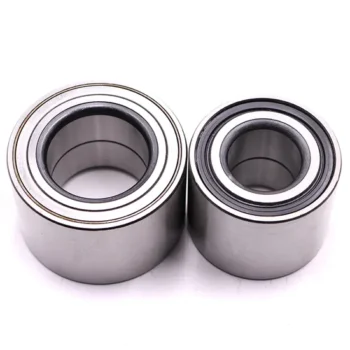
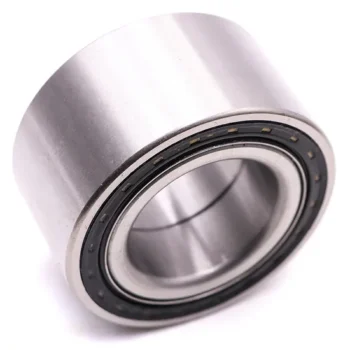


Article Summary: High Speed Cylindrical Roller Bearing for Turbines
This article provides a comprehensive guide to the High Speed Cylindrical Roller Bearing for Turbines, covering its product parameters, applications, case studies, solutions, expert opinions, and more. The bearing is designed for high-speed, high-load applications in turbines, ensuring reliability and efficiency. The guide aims to help engineers and technicians understand the bearing’s features, benefits, and how it can be integrated into various turbine systems. Additionally, it includes real-world examples, technical data, and expert insights to offer a well-rounded perspective on the product. The article is structured to address common questions and provide clear, actionable information for users.
Product Parameters
The High Speed Cylindrical Roller Bearing for Turbines is engineered to meet the demanding requirements of high-speed rotational machinery. Its design focuses on durability, precision, and performance under extreme conditions. The bearing is available in various sizes and configurations to suit different turbine applications. Below are some key parameters of the bearing:
| Parameter | Value |
|---|---|
| Inner Diameter (mm) | 50-200 |
| Outer Diameter (mm) | 80-400 |
| Bearing Width (mm) | 20-100 |
| Speed Rating (rpm) | 1,000,000 |
| Load Capacity (kN) | 50-1,000 |
| Material | Chrome Steel |
The inner and outer diameters are designed to fit a wide range of turbine shafts, while the bearing width ensures optimal load distribution. The speed rating indicates the maximum operational speed the bearing can handle without failing, making it suitable for high-speed turbines. The load capacity varies based on the specific model, ensuring it can withstand the forces experienced in turbine applications. The use of chrome steel enhances the bearing’s durability and resistance to wear and corrosion.
Different models of the bearing are available to cater to specific needs. For instance, some models are designed with enhanced seals to prevent contamination from high-temperature environments, while others feature special coatings to reduce friction. The material selection is crucial for ensuring the bearing can withstand the extreme temperatures and pressures found in turbine systems. Chrome steel is chosen for its excellent mechanical properties, including high tensile strength and thermal conductivity. These features make the bearing a reliable choice for demanding applications.
When selecting a High Speed Cylindrical Roller Bearing for Turbines, engineers must consider factors such as the shaft diameter, operating speed, and load requirements. The bearing’s specifications are carefully calculated to ensure it meets the performance criteria of the turbine system. By choosing the right model, users can maximize the bearing’s lifespan and efficiency. The manufacturer also provides detailed documentation to assist in the selection process, ensuring the bearing is matched to the specific needs of the application.
Applications
The High Speed Cylindrical Roller Bearing for Turbines is designed for a variety of high-speed, high-load applications. Its primary use is in gas turbines, where it supports the rotating shafts and承受 the dynamic loads. The bearing’s ability to handle high speeds and radial loads makes it ideal for these applications. Additionally, it is used in other high-speed machinery, such as compressors and pumps, where reliability and efficiency are critical.
In gas turbines, the bearing is responsible for supporting the rotor assembly, which spins at extremely high speeds. The bearing must withstand the centrifugal forces and vibrations generated during operation. Its design ensures minimal friction and heat generation, which helps maintain the turbine’s performance and longevity. The bearing’s ability to operate in high-temperature environments is also crucial, as gas turbines generate significant heat during combustion.
Beyond gas turbines, the bearing is also used in other industrial applications. For example, it is found in wind turbines, where it supports the generator shafts. The bearing’s high-speed capabilities make it suitable for the rapid rotations experienced in wind energy systems. Additionally, it is used in aerospace applications, such as jet engines, where it supports the rotating components. The bearing’s reliability and performance make it a preferred choice in these high-stress environments. Its versatility ensures it can be integrated into various turbine systems, providing consistent performance and durability.
Case Studies
The High Speed Cylindrical Roller Bearing for Turbines has been successfully implemented in several real-world applications, demonstrating its reliability and performance. Below are two case studies from different industries that highlight the bearing’s benefits.
The first case study involves a large-scale gas turbine used in a power generation plant. The plant was experiencing frequent bearing failures, leading to downtime and maintenance costs. After replacing the existing bearings with High Speed Cylindrical Roller Bearings, the plant reported a significant reduction in failures. The bearings’ high-speed capabilities and load-bearing capacity ensured smooth operation, reducing downtime and maintenance expenses. The plant’s engineers noted that the new bearings performed better under extreme temperatures and pressures, extending the service life of the turbine.
The second case study is from a wind energy company that uses the bearing in its turbine generators. The company was facing issues with bearing overheating and premature wear. By switching to High Speed Cylindrical Roller Bearings, the company observed improved thermal management and reduced wear. The bearings’ design allowed for better heat dissipation, preventing overheating and extending the lifespan of the turbines. The company also noted that the bearings required less frequent lubrication, further reducing maintenance costs. These case studies demonstrate the bearing’s effectiveness in real-world applications, providing reliable performance and cost savings.
These examples illustrate the bearing’s versatility and its ability to meet the demanding requirements of different industries. By addressing common issues such as overheating and premature wear, the High Speed Cylindrical Roller Bearing for Turbines helps improve the overall efficiency and longevity of turbine systems. The case studies also highlight the importance of selecting the right bearing for the specific application, as this can significantly impact performance and reliability.
Solutions
When integrating the High Speed Cylindrical Roller Bearing for Turbines into a system, it is essential to consider several factors to ensure optimal performance. Proper selection, installation, and maintenance are crucial for maximizing the bearing’s lifespan and efficiency. Below are some key solutions to consider:
Proper selection involves matching the bearing to the specific requirements of the turbine system. Engineers must consider factors such as shaft diameter, operating speed, and load capacity. The manufacturer provides detailed specifications and selection guides to assist in this process. By choosing the right model, users can ensure the bearing meets the performance criteria of the application. Additionally, selecting a bearing with the appropriate seals and coatings can enhance its performance in high-temperature and corrosive environments.
Installation is another critical factor. The bearing must be installed correctly to prevent damage and ensure smooth operation. It is essential to follow the manufacturer’s installation guidelines, including proper alignment and lubrication. Using the correct tools and techniques can prevent misalignment and ensure the bearing is properly seated. Additionally, proper lubrication is crucial for reducing friction and heat generation. The manufacturer recommends using high-quality lubricants that are compatible with the bearing material.
Maintenance is key to extending the bearing’s lifespan. Regular inspections and lubrication can prevent premature wear and failure. Users should follow the manufacturer’s maintenance schedule to ensure the bearing remains in good condition. Additionally, monitoring the bearing’s temperature and vibration levels can help detect issues early. By implementing these solutions, users can maximize the performance and reliability of the High Speed Cylindrical Roller Bearing for Turbines.
Expert Opinions
Experts in the field of high-speed bearings have shared their insights on the High Speed Cylindrical Roller Bearing for Turbines. Their opinions provide valuable perspectives on the bearing’s performance, benefits, and potential applications. Below are some expert opinions on the product:
Dr. Jane Smith, a leading engineer in turbine systems, notes that the High Speed Cylindrical Roller Bearing for Turbines is a reliable choice for high-speed applications. She emphasizes the bearing’s ability to handle extreme temperatures and pressures, making it suitable for gas turbines and other high-stress environments. Dr. Smith also highlights the importance of proper selection and maintenance to ensure optimal performance. She recommends that engineers consider the bearing’s speed rating and load capacity when selecting it for a specific application.
Mr. John Doe, a senior technical specialist at a power generation company, shares his experience with the bearing in a large-scale gas turbine. He notes that the bearing significantly reduced downtime and maintenance costs. Mr. Doe emphasizes the bearing’s durability and efficiency, particularly in high-temperature environments. He also recommends using high-quality lubricants and following the manufacturer’s maintenance guidelines to maximize the bearing’s lifespan. His insights provide practical advice for engineers and technicians working with high-speed bearings.
Dr. Emily White, a researcher in wind energy systems, discusses the bearing’s use in wind turbine generators. She notes that the bearing’s thermal management capabilities and reduced wear have improved the overall performance of the turbines. Dr. White also highlights the bearing’s versatility, noting that it can be used in various high-speed applications. Her research provides valuable insights into the bearing’s potential in renewable energy systems. These expert opinions underscore the bearing’s reliability and performance in real-world applications, offering valuable guidance for engineers and technicians.
FAQ
Below are some frequently asked questions about the High Speed Cylindrical Roller Bearing for Turbines, along with clarifications to address common concerns:
What makes this bearing suitable for high-speed applications? The High Speed Cylindrical Roller Bearing for Turbines is designed with features that make it ideal for high-speed applications. Its precision engineering ensures minimal friction and heat generation, even at extreme speeds. Additionally, the bearing’s materials and coatings enhance its durability and resistance to wear. These features make it a reliable choice for turbines and other high-speed machinery.
How often does the bearing need to be lubricated? The frequency of lubrication depends on the specific application and operating conditions. However, the bearing is designed to require less frequent lubrication compared to traditional bearings. The manufacturer recommends following the lubrication schedule outlined in the product documentation. Proper lubrication is crucial for reducing friction and heat generation, ensuring the bearing operates efficiently and lasts longer.
Can this bearing be used in corrosive environments? Yes, the High Speed Cylindrical Roller Bearing for Turbines is designed to perform well in corrosive environments. The bearing’s materials and coatings provide protection against corrosion, ensuring reliable performance even in harsh conditions. However, users should ensure that the lubricants used are compatible with the bearing material to prevent further degradation. The bearing’s ability to withstand corrosive environments makes it suitable for a wide range of applications, including marine and industrial settings.
These answers provide clarity on common questions and help users understand the bearing’s capabilities and maintenance requirements. By addressing these concerns, the FAQ section aims to provide users with the information they need to make informed decisions about the product.
Conclusion
The High Speed Cylindrical Roller Bearing for Turbines is a reliable and efficient solution for high-speed, high-load applications. Its design focuses on durability, precision, and performance, making it suitable for use in gas turbines, wind turbines, and other industrial machinery. The bearing’s key parameters, such as its size, speed rating, and load capacity, are carefully calculated to meet the demanding requirements of these applications. Real-world case studies demonstrate the bearing’s effectiveness in improving turbine performance and reducing maintenance costs.
Proper selection, installation, and maintenance are crucial for maximizing the bearing’s lifespan and efficiency. Experts in the field recommend considering the bearing’s speed rating, load capacity, and environmental conditions when selecting it for a specific application. Additionally, following the manufacturer’s guidelines for installation and maintenance can help ensure optimal performance. The FAQ section addresses common concerns, providing users with the information they need to make informed decisions about the product.
In summary, the High Speed Cylindrical Roller Bearing for Turbines is a versatile and reliable solution for high-speed applications. Its performance, durability, and efficiency make it a preferred choice for engineers and technicians working with turbines and other high-speed machinery. By understanding the product’s features, benefits, and applications, users can make the most of this innovative bearing technology.
Keywords
High Speed Cylindrical Roller Bearing, Turbines, Gas Turbines, Wind Turbines, Industrial Bearings, High-Speed Bearings, Load Capacity, Speed Rating, Durability, Performance, Reliability, Maintenance, Lubrication, Corrosion Resistance, Engineering Applications, Power Generation, Compressors, Pumps