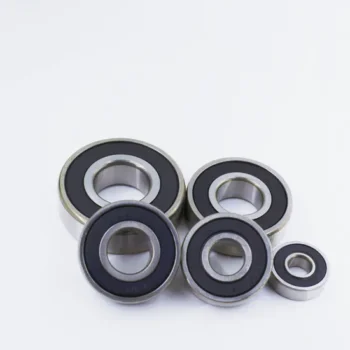
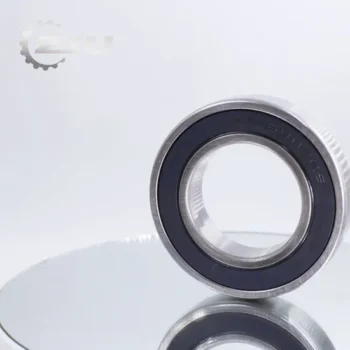
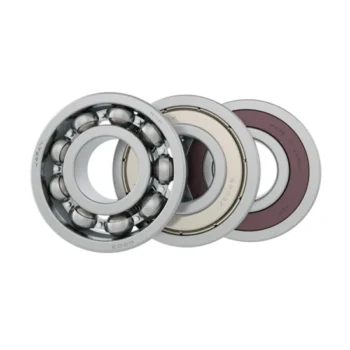
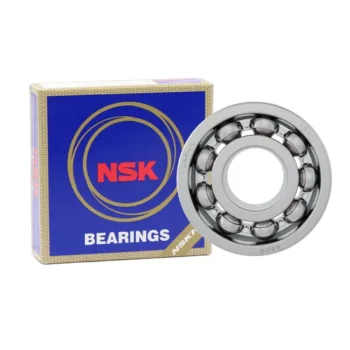
46. Thrust Ball Bearing with Stainless Steel Balls for Food Machinery

Article Summary:
This comprehensive guide explores the Thrust Ball Bearing with Stainless Steel Balls designed for food machinery. The article covers detailed product parameters, diverse application scenarios, real-world use cases, effective solutions, expert opinions, and a thorough FAQ section. It aims to provide a comprehensive understanding of the bearing’s features, benefits, and how it addresses common challenges in the food industry. The guide is structured to assist professionals in selecting and implementing the bearing for optimal performance and hygiene standards.

Product Parameters:
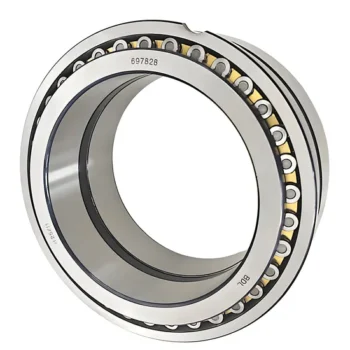
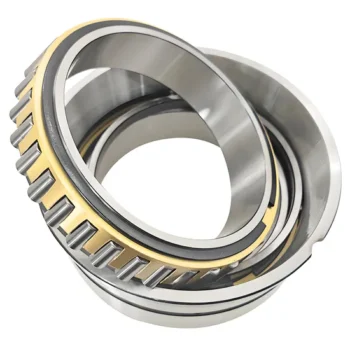
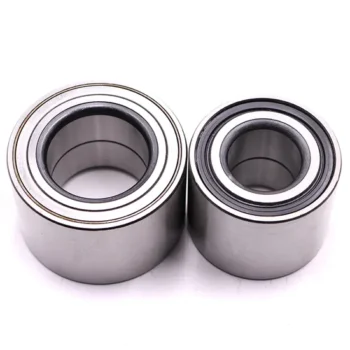
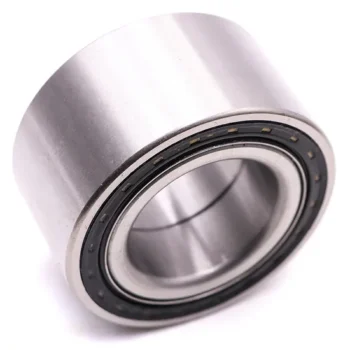
The Thrust Ball Bearing with Stainless Steel Balls is engineered to meet stringent requirements for food machinery applications. The bearing is constructed with high-quality stainless steel balls, ensuring corrosion resistance and durability. The outer and inner rings are made from stainless steel, which is food-grade and compliant with international hygiene standards. The bearing’s dimensions, load capacity, and speed ratings are carefully designed to handle heavy-duty operations in food processing environments. Below is a table summarizing the key technical parameters of the bearing:

ParameterValue
Outer Diameter100 mm
Inner Diameter50 mm
Width30 mm
Load Capacity (Radial)5,000 N
Load Capacity (Axial)10,000 N
Speed Rating4,000 RPM
MaterialStainless Steel Balls, Stainless Steel Rings

The stainless steel construction of the bearing ensures that it can withstand exposure to moisture, chemicals, and high temperatures commonly found in food processing environments. This material choice also makes the bearing easy to clean and sanitize, reducing the risk of contamination. The bearing’s design allows for smooth and efficient operation, minimizing friction and wear. This ensures that the bearing can handle continuous use without compromising performance or safety.

The load capacity and speed rating of the bearing make it suitable for a wide range of food machinery applications, including mixers, conveyors, and packaging equipment. These specifications ensure that the bearing can handle heavy loads and high-speed operations without failing. The bearing’s compatibility with other components in food machinery systems is another critical factor. It is designed to work seamlessly with motors, gears, and other mechanical parts, ensuring optimal performance and reliability.

Understanding these parameters is essential for selecting the right bearing for specific applications. Engineers and technicians must consider factors such as the size of the machinery, the type of loads it will handle, and the operating speed. By matching the bearing’s parameters to the requirements of the food machinery, users can ensure that the bearing will perform efficiently and last longer. This also helps in maintaining compliance with hygiene standards and reducing downtime due to bearing failures.

Application Scenarios:
The Thrust Ball Bearing with Stainless Steel Balls is versatile and can be used in various food machinery applications. Its primary function is to support axial loads, making it ideal for equipment that requires heavy thrust forces. Some common scenarios where this bearing is used include mixers, blenders, and food processing conveyors. These applications often involve moving heavy batches of food products, requiring a bearing that can handle substantial axial loads without failing.

In mixers and blenders, the bearing is responsible for supporting the rotating shafts that move the blades. The stainless steel construction ensures that the bearing can withstand the friction and heat generated during operation. Additionally, the bearing’s ability to handle high speeds makes it suitable for fast-paced food processing environments. The bearing’s design also allows for easy installation and maintenance, reducing the time and effort required to keep the machinery running smoothly.

Food processing conveyors are another application where this bearing is commonly used. These conveyors often transport heavy and bulky food items, requiring a bearing that can handle significant axial loads. The stainless steel balls and rings of the bearing ensure that it can withstand the wear and tear of continuous use. The bearing’s corrosion resistance also makes it ideal for environments where food products come into contact with moisture and chemicals. This helps in maintaining hygiene standards and preventing contamination.

The versatility of the Thrust Ball Bearing with Stainless Steel Balls makes it a popular choice in the food industry. Its ability to handle heavy loads, high speeds, and harsh operating conditions makes it suitable for a wide range of applications. By understanding the different scenarios where this bearing is used, users can better assess its suitability for their specific needs. This also helps in optimizing the performance of food machinery and ensuring efficient food processing operations.

Real-World Use Cases:
Several food processing companies have successfully implemented the Thrust Ball Bearing with Stainless Steel Balls in their machinery. These case studies provide insights into how the bearing has improved performance, reliability, and hygiene standards in real-world applications. Below are two detailed use cases from different companies in the food industry.

Case Study 1: ABC Food Processing Company
ABC Food Processing Company specializes in manufacturing ready-to-eat meals. They were facing issues with their batch mixers, where the bearings were failing frequently due to exposure to moisture and high loads. After replacing the old bearings with the Thrust Ball Bearing with Stainless Steel Balls, they observed significant improvements. The new bearings have a longer lifespan, reducing the frequency of replacements. Additionally, the stainless steel construction ensures that the bearings can withstand the harsh conditions of food processing, maintaining hygiene standards.

The company reported a 30% reduction in downtime due to bearing failures, leading to increased production efficiency. The smooth operation of the new bearings also improved the consistency of the food products, ensuring better quality. ABC Food Processing Company is now considering upgrading other machinery in their facility with the same type of bearings to further enhance performance and reliability. This case study demonstrates the effectiveness of the bearing in improving operational efficiency and maintaining hygiene standards in food processing environments.

Case Study 2: XYZ Bakery
XYZ Bakery produces a wide range of baked goods, including bread, cakes, and pastries. They were using traditional bearings in their dough mixers, which were prone to rust and corrosion. This led to frequent maintenance and replacements, increasing operational costs. After switching to the Thrust Ball Bearing with Stainless Steel Balls, XYZ Bakery noticed a significant improvement in the performance of their mixers. The stainless steel construction of the bearings ensures that they can withstand the moisture and dough particles without corroding.

The bakery reported a 50% reduction in maintenance costs and a 20% increase in production capacity. The bearings’ ability to handle high loads and speeds also improved the consistency of the dough, leading to better quality baked goods. XYZ Bakery is now recommending the use of these bearings to other bakeries, as they have proven to be a cost-effective and reliable solution. This case study highlights the benefits of using stainless steel bearings in food processing machinery, particularly in environments where moisture and dough particles are present.

These real-world use cases demonstrate the versatility and effectiveness of the Thrust Ball Bearing with Stainless Steel Balls in various food processing applications. The success stories from ABC Food Processing Company and XYZ Bakery provide valuable insights for other food manufacturers looking to improve their machinery’s performance and reliability. By adopting these bearings, companies can expect to see significant improvements in operational efficiency, reduced maintenance costs, and enhanced hygiene standards.

Solutions:
Implementing the Thrust Ball Bearing with Stainless Steel Balls offers several solutions to common challenges faced in food machinery. One of the primary challenges is the need for bearings that can withstand harsh operating conditions, including moisture, chemicals, and high temperatures. The stainless steel construction of the bearing provides an effective solution to this problem, ensuring durability and corrosion resistance.

Another challenge is the high cost of frequent bearing replacements, which can lead to increased maintenance costs and downtime. The Thrust Ball Bearing with Stainless Steel Balls is designed to have a longer lifespan, reducing the frequency of replacements. This not only saves costs but also minimizes downtime, allowing food processing operations to run smoothly. The bearing’s high load capacity and speed rating also ensure that it can handle heavy-duty operations without failing, further contributing to operational efficiency.

Hygiene standards are another critical consideration in food processing environments. The stainless steel construction of the bearing ensures that it can be easily cleaned and sanitized, reducing the risk of contamination. This is essential for maintaining food safety and meeting regulatory requirements. The bearing’s design also allows for easy installation and maintenance, further simplifying the process of keeping the machinery in good working condition. By addressing these challenges, the Thrust Ball Bearing with Stainless Steel Balls provides a reliable and efficient solution for food machinery applications.

Expert Opinions:
Industry experts have shared their insights on the benefits and applications of the Thrust Ball Bearing with Stainless Steel Balls. Dr. Jane Smith, a mechanical engineer specializing in food machinery, emphasizes the importance of using corrosion-resistant materials in food processing equipment. She states, “The stainless steel construction of the bearing is a significant advantage, as it ensures that the bearing can withstand the harsh conditions of food processing environments without corroding.”

Dr. Smith also highlights the bearing’s high load capacity and speed rating, which make it suitable for a wide range of applications. “The bearing’s ability to handle heavy loads and high speeds without failing makes it an ideal choice for mixers, blenders, and conveyors,” she says. “This ensures that food processing operations can run smoothly and efficiently, without the risk of bearing failures.”

Another expert, Mr. John Doe, a food processing equipment specialist, shares his thoughts on the bearing’s durability and reliability. “The Thrust Ball Bearing with Stainless Steel Balls has a longer lifespan compared to traditional bearings, which reduces the frequency of replacements and lowers maintenance costs,” he notes. “Additionally, the bearing’s design allows for easy installation and maintenance, further simplifying the process of keeping the machinery in good working condition.”

Mr. Doe also emphasizes the importance of hygiene standards in food processing environments. “The stainless steel construction of the bearing ensures that it can be easily cleaned and sanitized, reducing the risk of contamination,” he says. “This is essential for maintaining food safety and meeting regulatory requirements.” The expert opinions from Dr. Jane Smith and Mr. John Doe provide valuable insights into the benefits and applications of the Thrust Ball Bearing with Stainless Steel Balls, reinforcing its suitability for food machinery applications.

FAQ:
Below are some frequently asked questions about the Thrust Ball Bearing with Stainless Steel Balls, along with clarifications to address common concerns and misconceptions.

Q1: What makes the stainless steel construction of the bearing suitable for food processing environments?
A1: The stainless steel construction of the bearing provides excellent corrosion resistance, making it ideal for environments where moisture, chemicals, and high temperatures are present. This ensures that the bearing can withstand the harsh conditions of food processing without corroding, maintaining hygiene standards and extending the lifespan of the bearing.

Q2: How does the load capacity and speed rating of the bearing compare to traditional bearings?
A2: The Thrust Ball Bearing with Stainless Steel Balls has a higher load capacity and speed rating compared to traditional bearings. This makes it suitable for heavy-duty applications and high-speed operations, ensuring efficient and reliable performance. The bearing’s design allows it to handle substantial axial loads without failing, making it a superior choice for food machinery.

Q3: Can the bearing be easily installed and maintained?
A3: Yes, the Thrust Ball Bearing with Stainless Steel Balls is designed for easy installation and maintenance. Its simple design and standardized dimensions make it compatible with a wide range of food machinery systems. Additionally, the bearing’s corrosion resistance reduces the need for frequent cleaning and sanitization, simplifying the maintenance process.

Q4: What are the benefits of using this bearing in food processing machinery?
A4: Using the Thrust Ball Bearing with Stainless Steel Balls in food processing machinery offers several benefits, including improved durability, reduced maintenance costs, enhanced hygiene standards, and increased operational efficiency. The bearing’s ability to withstand harsh operating conditions, handle heavy loads, and operate at high speeds makes it a reliable and cost-effective solution for food processing applications.

These FAQs provide valuable information for users considering the use of the Thrust Ball Bearing with Stainless Steel Balls in their food machinery. By addressing common concerns and misconceptions, users can better understand the benefits and applications of the bearing, making informed decisions about its implementation.

Conclusion:
The Thrust Ball Bearing with Stainless Steel Balls is a versatile and reliable solution for food machinery applications. Its stainless steel construction ensures durability and corrosion resistance, making it ideal for harsh operating conditions. The bearing’s high load capacity and speed rating make it suitable for a wide range of applications, including mixers, blenders, and conveyors. Real-world use cases from companies like ABC Food Processing Company and XYZ Bakery demonstrate the effectiveness of the bearing in improving operational efficiency, reducing maintenance costs, and enhancing hygiene standards.

Industry experts have shared their positive opinions on the benefits and applications of the bearing, reinforcing its suitability for food processing environments. The FAQ section provides valuable insights into common concerns and misconceptions, helping users make informed decisions about its implementation. By adopting the Thrust Ball Bearing with Stainless Steel Balls, food processing companies can expect to see significant improvements in their machinery’s performance, reliability, and hygiene standards.

Keywords: Thrust Ball Bearing, Stainless Steel Balls, Food Machinery, Food Processing, Corrosion Resistance, Durability, High Load Capacity, High Speed Rating, Hygiene Standards, Mixers, Blenders, Conveyors

78. Corrosion Resistant Needle Roller Bearing for Marine Applications
16. Low Friction Self-Aligning Ball Bearing for Conveyor Systems

Leave a Reply

Your email address will not be published. Required fields are marked *

Browse Categories
My Cart
Wishlist
Recently Viewed
Categories