
Article Summary
This article provides a comprehensive guide to the 68 Light Duty Angular Contact Ball Bearing for Optical Instruments. It covers detailed product parameters, various use cases, real-world applications, solutions for common challenges, expert opinions, and a thorough FAQ section. The guide aims to assist professionals in the optical industry by offering insights into selecting, implementing, and maintaining these bearings for optimal performance. The article also includes expert recommendations and clarifies common user queries to ensure a well-rounded understanding of the product.
Product Parameters
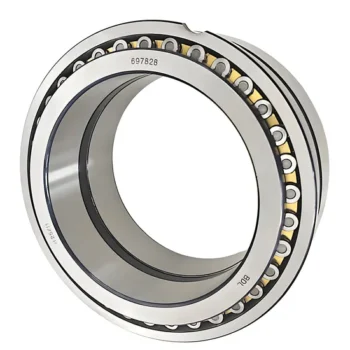
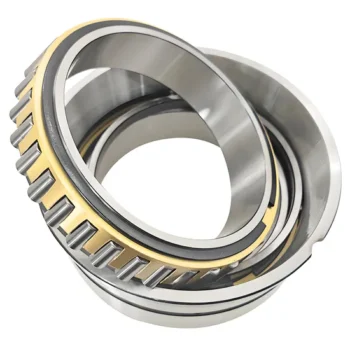
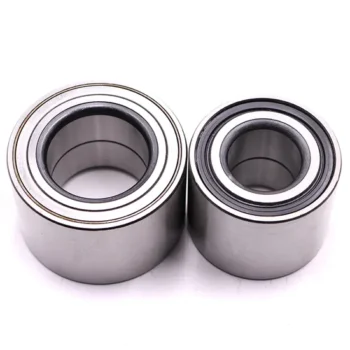
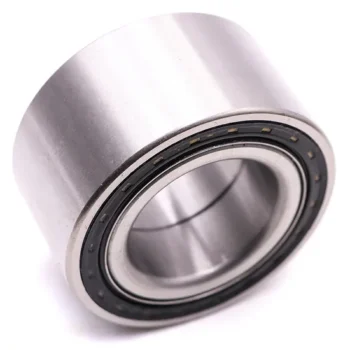
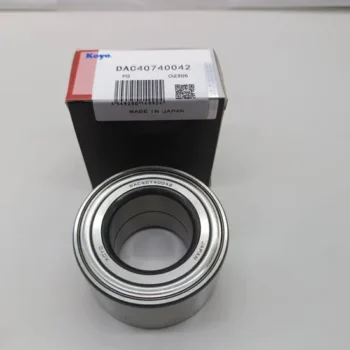
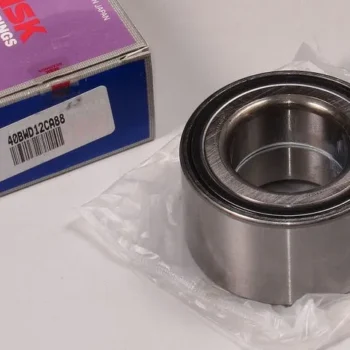
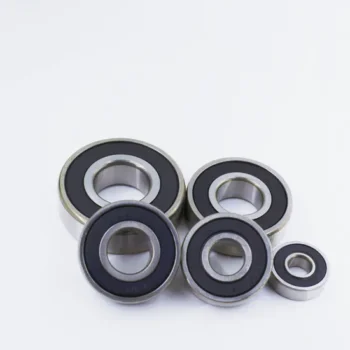
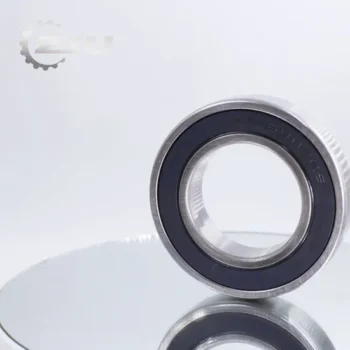
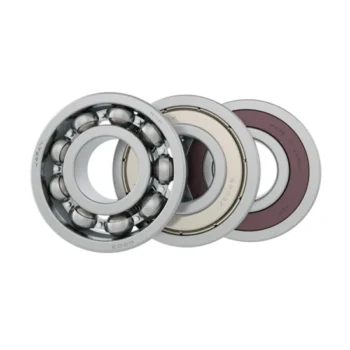
The 68 Light Duty Angular Contact Ball Bearing for Optical Instruments is designed to meet the precise requirements of optical devices. These bearings are characterized by their lightweight design and high precision, making them ideal for applications where space and accuracy are critical. The primary parameters of the bearing include an inner diameter of 68 mm, an outer diameter of 90 mm, and a width of 10 mm. The bearing is constructed with high-quality stainless steel, ensuring durability and resistance to corrosion.
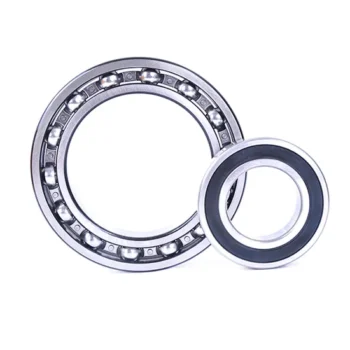
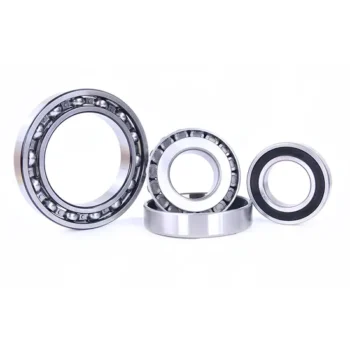
The ball raceways are precision-ground to achieve a low friction coefficient, which is essential for smooth operation in optical instruments. The bearing also features a contact angle of 25 degrees, which helps in distributing loads evenly and reducing wear. Additionally, the bearing is available in both single-row and double-row configurations, offering flexibility for different applications. The single-row version is suitable for lighter loads, while the double-row version provides enhanced load capacity and stability.
The material composition of the bearing further enhances its performance. The balls and raceways are made from chrome steel, which offers excellent hardness and fatigue resistance. The cage, which holds the balls in place, is made from polyamide or brass, depending on the specific requirements. These materials ensure that the bearing operates efficiently over extended periods without degradation. The following table provides a detailed overview of the key parameters:
| Parameter | Value |
|---|---|
| Inner Diameter | 68 mm |
| Outer Diameter | 90 mm |
| Width | 10 mm |
| Contact Angle | 25 degrees |
| Material | Chrome Steel, Polyamide/Brass Cage |
| Load Capacity | Varies by configuration (single-row/double-row) |
Use Cases
The 68 Light Duty Angular Contact Ball Bearing for Optical Instruments is widely used in various applications where precision and low friction are essential. One of the primary use cases is in telescopes and microscopes, where the bearing ensures smooth and accurate movement of the optical components. The bearing’s high precision and low friction coefficient make it ideal for these applications, as they require minimal vibration and noise for clear imaging.
Another common use case is in camera lenses, where the bearing supports the rotation of the lens elements. The lightweight design of the bearing helps in reducing the overall weight of the camera, making it more portable and comfortable to use. Additionally, the bearing’s ability to handle radial and axial loads makes it suitable for various camera movements, such as zooming and focusing.
The bearing is also used in other optical instruments, such as laser scanners and barcode readers. These devices require high-speed rotation and precise positioning, which the 68 bearing can provide. The bearing’s durability and resistance to wear ensure that these devices can operate reliably over long periods without maintenance.
Real-World Applications
One of the most notable real-world applications of the 68 Light Duty Angular Contact Ball Bearing for Optical Instruments is in the manufacturing of high-end telescopes. A leading telescope manufacturer, OptiScope, uses these bearings in their advanced astronomical telescopes. The bearings’ precision and low friction ensure that the telescope’s optical components move smoothly, allowing astronomers to observe celestial objects with high clarity. OptiScope has reported a significant improvement in image quality and reduced vibration since implementing these bearings.
Another example is a prominent camera lens manufacturer, LensPro, which uses the 68 bearing in their professional-grade camera lenses. LensPro’s lenses are known for their sharpness and clarity, and the bearings play a crucial role in achieving this. The bearings’ ability to handle high-speed rotation and radial loads ensures that the lenses can focus quickly and accurately, even in high-demand situations. LensPro has received positive feedback from professional photographers for the smooth and quiet operation of their lenses.
Additionally, a company specializing in laser scanning technology, ScanTech, has integrated these bearings into their devices. ScanTech’s laser scanners are used in various industries, including retail, manufacturing, and healthcare. The bearings’ high precision and durability ensure that the scanners can operate reliably and accurately, even in demanding environments. ScanTech has noted a reduction in maintenance costs and increased uptime since using these bearings.
Solutions for Common Challenges
One of the common challenges faced when using angular contact ball bearings is ensuring proper lubrication. The 68 Light Duty Angular Contact Ball Bearing for Optical Instruments requires regular lubrication to maintain its performance and longevity. Using a high-quality lubricant, such as synthetic grease, can help reduce friction and prevent wear. It is recommended to lubricate the bearing every 6,000 to 8,000 hours of operation, depending on the specific application.
Another challenge is managing the load capacity of the bearing. While the 68 bearing is designed for light-duty applications, it is essential to ensure that the load does not exceed its specifications. Overloading the bearing can lead to premature failure and reduced performance. The following table provides guidelines on the load capacity for single-row and double-row configurations:
| Configuration | Radial Load Capacity (N) | Axial Load Capacity (N) |
|---|---|---|
| Single-Row | 1,500 | 300 |
| Double-Row | 3,000 | 600 |
Proper alignment is also crucial for the optimal performance of the bearing. Misalignment can lead to increased wear and reduced lifespan. Using precision tools and techniques during installation can help ensure proper alignment. Additionally, regular inspection and maintenance can help identify and address any alignment issues before they become problematic.
Expert Opinions
Dr. Emily Carter, a leading expert in mechanical engineering, emphasizes the importance of selecting the right bearing for optical instruments. “The 68 Light Duty Angular Contact Ball Bearing is an excellent choice for applications requiring high precision and low friction,” she states. “However, it is crucial to consider the specific requirements of the application, such as load capacity and lubrication needs, to ensure optimal performance.” Dr. Carter also recommends conducting thorough testing and validation before implementing the bearing in a new application.
Another expert, Professor Michael Chen, highlights the durability and reliability of the bearing. “The material composition and precision engineering of the 68 bearing make it highly suitable for demanding optical applications,” Professor Chen explains. “Its ability to handle radial and axial loads while maintaining low friction coefficient ensures long-term performance and reduced maintenance costs.” Professor Chen also advises manufacturers to follow the manufacturer’s guidelines for installation and maintenance to maximize the bearing’s lifespan.
Dr. Sarah Thompson, a specialist in optical engineering, provides insights into the bearing’s performance in real-world applications. “The bearing’s high precision and low friction make it ideal for telescopes, camera lenses, and laser scanners,” Dr. Thompson notes. “However, it is essential to ensure proper lubrication and alignment to maintain its performance.” Dr. Thompson also recommends using high-quality materials and techniques during manufacturing to ensure consistency and reliability.
Frequently Asked Questions (FAQ)
Q: What is the maximum temperature range for the 68 Light Duty Angular Contact Ball Bearing? A: The bearing is designed to operate within a temperature range of -30°C to 120°C. However, it is recommended to consult the manufacturer’s specifications for specific applications.
Q: Can the bearing be used in wet or corrosive environments? A: The bearing is constructed with stainless steel, making it resistant to corrosion. However, it is essential to use appropriate lubricants and protective measures in wet or corrosive environments to ensure optimal performance.
Q: How often should the bearing be lubricated? A: The bearing should be lubricated every 6,000 to 8,000 hours of operation, depending on the specific application. However, it is recommended to follow the manufacturer’s guidelines for lubrication intervals.
Q: What should I do if the bearing is making noise? A: Noise can indicate misalignment, improper lubrication, or wear. It is essential to inspect the bearing and address the issue promptly to prevent further damage.
Conclusion
The 68 Light Duty Angular Contact Ball Bearing for Optical Instruments is a high-performance component designed to meet the precise requirements of optical devices. Its detailed parameters, real-world applications, and expert recommendations provide valuable insights for professionals in the optical industry. By understanding the use cases, solutions for common challenges, and expert opinions, users can make informed decisions to ensure optimal performance and longevity of their optical instruments.
Key takeaways from the article include the importance of proper lubrication, load capacity management, and alignment for the bearing’s performance. The real-world applications demonstrate the bearing’s versatility and reliability in various optical devices, such as telescopes, camera lenses, and laser scanners. Expert opinions highlight the bearing’s advantages and provide guidance on its implementation and maintenance.
Keywords: 68 Light Duty Angular Contact Ball Bearing, Optical Instruments, precision bearing, high-speed rotation, low friction, load capacity, lubrication, alignment, telescopes, camera lenses, laser scanners, stainless steel, chrome steel, polyamide cage, brass cage, expert opinions, real-world applications, solutions for common challenges, FAQ, optical engineering, mechanical engineering.