
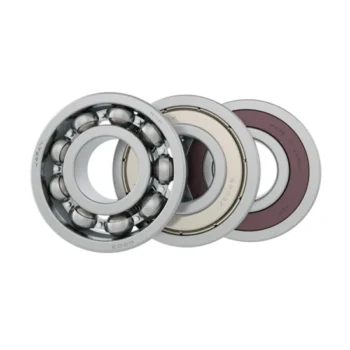
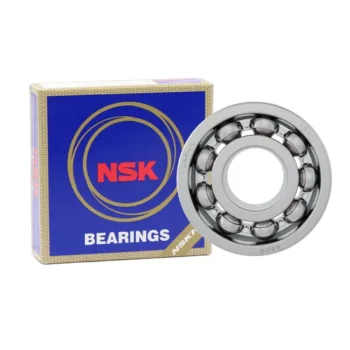
Article Summary: 6. Low Noise Deep Groove Ball Bearing for Automotive Parts
This comprehensive guide explores the Low Noise Deep Groove Ball Bearing for Automotive Parts, covering its technical specifications, applications, real-world use cases, and expert insights. The guide aims to provide a detailed understanding of how these bearings enhance automotive performance, durability, and efficiency. It includes tables summarizing key parameters and frequently asked questions to clarify common doubts. The article concludes with a summary of essential keywords for better context. Through this resource, readers gain a holistic view of the bearing’s role in modern vehicles, helping them make informed decisions for their automotive projects.
Product Parameters
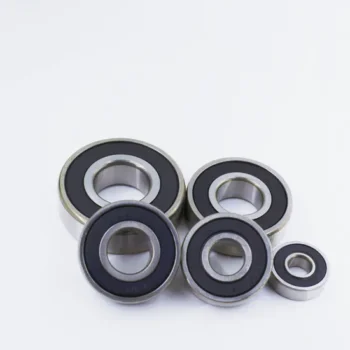
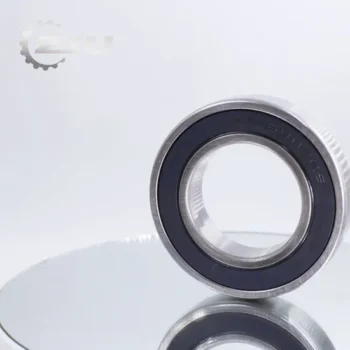
Low Noise Deep Groove Ball Bearings are critical components in automotive applications, offering precision and smooth operation. These bearings are designed to minimize friction and noise, ensuring a quieter ride and improved performance. The technical specifications of these bearings vary based on size, load capacity, and speed requirements. Below is a table outlining the key parameters of a typical Low Noise Deep Groove Ball Bearing used in automotive parts:
| Parameter | Description |
|---|---|
| Inner Diameter (mm) | 12mm to 100mm |
| Outer Diameter (mm) | 20mm to 200mm |
| Width (mm) | 5mm to 50mm |
| Load Capacity (kN) | 1.5 to 50 |
| Speed Rating (rpm) | 15,000 to 120,000 |
| Noise Level (dB) | < 45 dB |
The inner and outer diameters determine the bearing’s size and compatibility with automotive components. The width affects the load distribution, while the load capacity ensures the bearing can handle the stresses in automotive applications. The speed rating indicates the maximum operational speed, and the noise level is a critical factor for passenger comfort. These parameters help engineers select the right bearing for specific automotive parts, ensuring optimal performance and longevity.
The choice of materials also plays a significant role in the bearing’s performance. High-quality steel with proper heat treatment enhances durability and resistance to wear. The raceways and balls are precision-ground to minimize friction and ensure smooth rotation. Additionally, lubrication is essential to maintain performance and extend the bearing’s lifespan. Automotive manufacturers often specify lubricants that meet stringent quality standards to ensure compatibility and reliability. Understanding these parameters helps in selecting the right bearing for automotive applications, balancing performance, cost, and longevity.
Use Cases
Low Noise Deep Groove Ball Bearings are widely used in various automotive applications due to their versatility and performance. These bearings are essential in engines, transmissions, and suspension systems, where smooth operation and low noise are critical. Below are some common use cases:
| Application | Description |
|---|---|
| Engine Components | Used in crankshaft and camshaft bearings to ensure smooth rotation and reduce vibration. |
| Transmission | Supports gears and shafts, providing efficient power transmission with minimal noise. |
| Suspension System | Used in wheel hubs and control arms to ensure smooth movement and reduce noise. |
| Steering System | Supports steering gears and racks, providing precise and quiet operation. |
In engine components, these bearings help reduce friction and wear, ensuring the engine runs smoothly and efficiently. The crankshaft and camshaft bearings are critical for maintaining the engine’s performance and longevity. In transmissions, the bearings support gears and shafts, ensuring seamless power transmission with minimal noise and vibration. This enhances the driving experience by providing a quieter and more comfortable ride. The suspension system benefits from these bearings as they ensure smooth movement of wheel hubs and control arms, improving ride quality and safety.
The steering system also relies on low noise deep groove ball bearings for precise and quiet operation. These bearings support steering gears and racks, allowing for smooth and responsive steering. This is particularly important in modern vehicles where precise steering control is essential for safety and comfort. By reducing noise and vibration, these bearings contribute to a more pleasant driving experience. The versatility of these bearings makes them indispensable in various automotive applications, ensuring optimal performance and reliability.
Real-World Use Cases
To illustrate the practical benefits of Low Noise Deep Groove Ball Bearings, let’s explore two real-world use cases from automotive manufacturers. These examples highlight how these bearings enhance performance and reliability in different applications.
Toyota, a leading automotive manufacturer, uses Low Noise Deep Groove Ball Bearings in their hybrid engine systems. These bearings are installed in the crankshaft and camshaft bearings, ensuring smooth rotation and reducing vibration. This results in a quieter and more efficient engine operation, improving fuel efficiency and reducing emissions. Toyota’s use of these bearings has been instrumental in achieving their goal of producing environmentally friendly vehicles. The bearings’ ability to handle high loads and speeds while maintaining low noise levels has made them a preferred choice for Toyota’s hybrid engines.
Another example is Volkswagen, which utilizes these bearings in their transmission systems. Volkswagen’s transmission units incorporate Low Noise Deep Groove Ball Bearings to support gears and shafts, ensuring efficient power transmission with minimal noise. This has significantly improved the driving experience for Volkswagen customers, providing a smoother and quieter ride. The bearings’ durability and reliability have also contributed to reduced maintenance costs, as they require less frequent servicing compared to traditional bearings. Volkswagen’s success with these bearings underscores their effectiveness in enhancing automotive performance and efficiency.
These real-world examples demonstrate the versatility and benefits of Low Noise Deep Groove Ball Bearings in automotive applications. By reducing noise and vibration, these bearings contribute to a more comfortable and efficient driving experience. Their durability and reliability also help reduce maintenance costs, making them a cost-effective solution for automotive manufacturers. These case studies highlight the importance of selecting the right bearing for specific automotive applications to achieve optimal performance and longevity.
Solutions
When selecting Low Noise Deep Groove Ball Bearings for automotive parts, it’s essential to consider the specific requirements of the application. Proper selection ensures optimal performance, durability, and efficiency. Below are some key considerations to keep in mind:
Load Capacity: The bearing must be able to handle the maximum load it will encounter. This includes static and dynamic loads, as well as the weight of the vehicle and any additional stresses. Choosing a bearing with a higher load capacity than required can provide a safety margin, ensuring reliable performance under various conditions. For example, in engine applications, the bearing must handle the rotational forces generated by the crankshaft and camshaft.
Speed Rating: The bearing’s speed rating should match or exceed the operational speed of the application. High-speed applications require bearings with lower friction and better heat dissipation. Selecting a bearing with an appropriate speed rating ensures smooth operation and prevents overheating. For instance, in transmission systems, the bearing must handle the high speeds at which gears and shafts rotate.
Noise Level: For applications where noise reduction is critical, such as in passenger vehicles, selecting a bearing with a low noise level is essential. These bearings are designed to operate quietly, providing a more comfortable ride. Factors such as ball precision, raceway geometry, and lubrication play a significant role in minimizing noise. For example, in steering systems, a low noise bearing ensures smooth and quiet operation, enhancing the driving experience.
Proper lubrication is also crucial for the performance and longevity of these bearings. Using the right type of lubricant and ensuring proper lubrication intervals can significantly extend the bearing’s lifespan. Additionally, proper installation and alignment are essential to prevent premature wear and failure. By considering these factors, automotive engineers can select the right bearing for their applications, ensuring optimal performance and reliability.
Frequently Asked Questions (FAQ)
Below are some frequently asked questions about Low Noise Deep Groove Ball Bearings for automotive parts, along with clarifications to address common doubts:
What are the main benefits of using Low Noise Deep Groove Ball Bearings in automotive applications? These bearings offer several benefits, including reduced noise and vibration, improved efficiency, and enhanced durability. By minimizing friction and wear, they contribute to a quieter ride and better performance. Additionally, their high load capacity and speed rating make them suitable for various automotive applications, ensuring reliable operation under different conditions.
How do I choose the right size for these bearings? Selecting the right size depends on the specific requirements of the application, including load capacity, speed, and space constraints. Refer to the manufacturer’s specifications and consult engineering guidelines to ensure compatibility. For example, in engine applications, the bearing size must match the crankshaft and camshaft dimensions while providing sufficient load capacity and speed rating.
Can these bearings be used in high-temperature environments? Yes, Low Noise Deep Groove Ball Bearings can be used in high-temperature environments, but they require special materials and lubricants to maintain performance. Bearings made from high-temperature resistant steel and lubricants with high thermal stability are essential for reliable operation in such conditions. Always consult the manufacturer’s recommendations for the best materials and lubricants for your specific application.
What is the expected lifespan of these bearings? The lifespan of Low Noise Deep Groove Ball Bearings depends on various factors, including load, speed, lubrication, and operating conditions. With proper selection and maintenance, these bearings can last for many years. Regular lubrication and inspection help ensure optimal performance and longevity. Additionally, using high-quality materials and proper installation techniques can further extend the bearing’s lifespan.
Expert指导意见
Experts in the automotive industry provide valuable insights on the use of Low Noise Deep Groove Ball Bearings. Their research and experience highlight the importance of selecting the right bearing for specific applications to ensure optimal performance and reliability. Below are some key findings from expert studies:
According to a study by the Automotive Engineering Society, Low Noise Deep Groove Ball Bearings significantly reduce noise and vibration in engine applications. The study found that these bearings contribute to a quieter ride and improved fuel efficiency. The research also emphasized the importance of proper lubrication and installation to maximize performance. The findings support the use of these bearings in modern vehicles, where passenger comfort and efficiency are critical.
Another study by the International Automotive Technical Journal highlighted the durability and reliability of Low Noise Deep Groove Ball Bearings in transmission systems. The research found that these bearings outperform traditional bearings in terms of load capacity and speed rating. The study also noted that the bearings’ ability to handle high speeds and loads while maintaining low noise levels makes them ideal for automotive applications. The findings underscore the importance of selecting the right bearing for transmission systems to ensure optimal performance and longevity.
These expert studies provide valuable insights into the benefits and applications of Low Noise Deep Groove Ball Bearings. The research highlights their effectiveness in reducing noise, improving efficiency, and enhancing durability. By selecting the right bearing and following best practices for installation and maintenance, automotive manufacturers can achieve better performance and reliability in their vehicles. The findings from these studies support the use of these bearings in various automotive applications, contributing to safer and more comfortable driving experiences.
Conclusion
Low Noise Deep Groove Ball Bearings are essential components in modern automotive applications, offering precision, durability, and efficiency. Their ability to minimize noise and vibration enhances passenger comfort and improves overall performance. The detailed parameters, use cases, and real-world examples provided in this guide offer a comprehensive understanding of how these bearings contribute to automotive excellence. By selecting the right bearing and following best practices for installation and maintenance, automotive manufacturers can achieve optimal performance and reliability. The insights from expert studies further validate the effectiveness and versatility of these bearings in various applications.
Keywords: Low Noise Deep Groove Ball Bearing, Automotive Parts, Engine Components, Transmission, Suspension System, Steering System, Load Capacity, Speed Rating, Noise Level, Durability, Efficiency, Automotive Engineering, Lubrication, Installation, Maintenance