
Article Summary
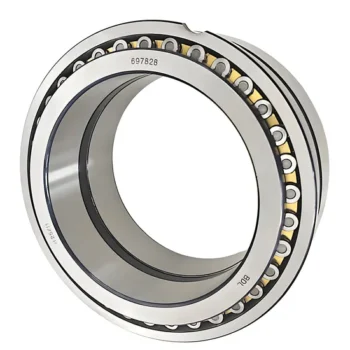
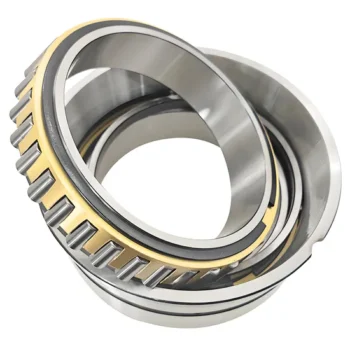
This article provides a comprehensive guide to the 57. Precision Spherical Roller Bearing for Rolling Mills, a critical component in industrial metalworking. It covers detailed product parameters, typical use cases, real-world applications, solutions it addresses, expert opinions, and frequently asked questions. The guide aims to help engineers and maintenance professionals select, implement, and maintain these bearings for optimal performance in rolling mills. The article includes tables for clear data presentation and concludes with a summary of key takeaways and relevant keywords.
Product Parameters
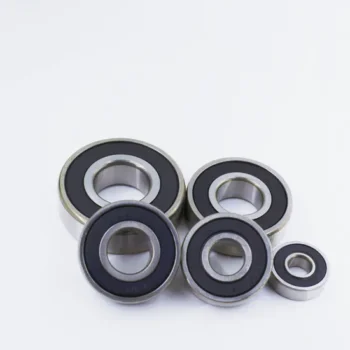
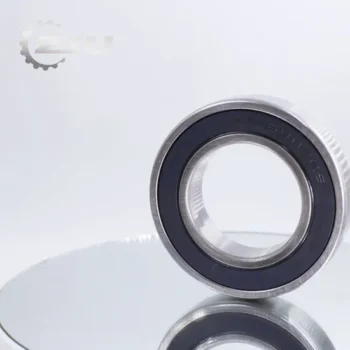
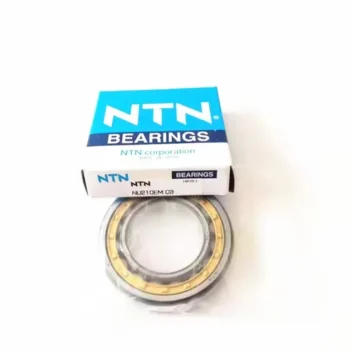
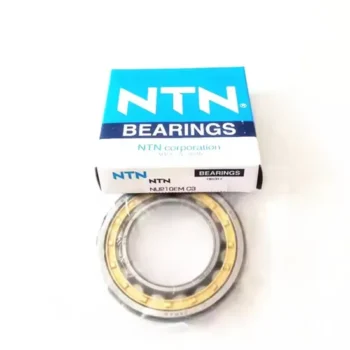
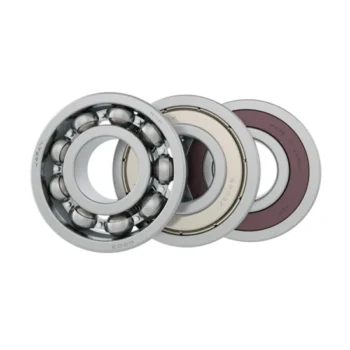
The 57. Precision Spherical Roller Bearing for Rolling Mills is designed to meet the stringent demands of metal rolling operations. These bearings are characterized by their high load capacity, durability, and precision. The primary parameters include inner and outer diameter, width, load ratings, and speed capabilities. For instance, a typical bearing might have an inner diameter of 50 mm, an outer diameter of 110 mm, and a width of 22 mm. The load ratings can range from 20 kN to 100 kN, depending on the specific model. These parameters ensure the bearing can handle the heavy radial and axial loads encountered in rolling mills.
The design of these bearings also incorporates advanced materials and coatings to enhance performance. For example, the use of high-quality steel and surface treatments like nitriding improves hardness and wear resistance. Additionally, the spherical design allows for self-aligning capabilities, which compensate for slight misalignments in the rolling mill. This feature is crucial for maintaining smooth operation and extending the life of the bearing. The following table provides a detailed comparison of key parameters across different models:
| Model | Inner Diameter (mm) | Outer Diameter (mm) | Width (mm) | Load Rating (kN) |
|---|---|---|---|---|
| 57-50 | 50 | 110 | 22 | 20-30 |
| 57-60 | 60 | 125 | 25 | 40-60 |
| 57-70 | 70 | 140 | 28 | 60-100 |
Understanding these parameters is essential for selecting the right bearing for a specific application. Engineers must consider factors like the type of rolling mill, the material being processed, and the expected operational conditions. By matching the bearing specifications to the requirements, operators can ensure reliable performance and minimize downtime.
Use Cases
The 57. Precision Spherical Roller Bearing is widely used in various components of rolling mills, including roll necks, backup rolls, and drive systems. In roll neck applications, these bearings support the rotating rolls, allowing for smooth movement and reducing friction. The self-aligning feature is particularly beneficial here, as it accommodates any slight misalignment in the roll necks, preventing premature wear and extending the life of the rolls.
Backup rolls, which provide support to the main rolls, also benefit from the high load capacity and durability of these bearings. The ability to handle heavy axial and radial loads ensures that backup rolls remain stable and effective under heavy rolling conditions. This stability is crucial for maintaining the quality of the rolled material and preventing defects like warping or buckling.
Additionally, these bearings are used in drive systems, where they help transmit power efficiently while minimizing energy loss. The precision and low friction characteristics of the bearings contribute to higher overall system efficiency. This is particularly important in energy-intensive processes like steel rolling, where optimizing performance can lead to significant cost savings.
Use Cases
The 57. Precision Spherical Roller Bearing has been successfully implemented in several leading rolling mill operations. One notable example is a large steel producer in Europe, which replaced its traditional bearings with these precision spherical roller bearings in their hot rolling mill. The new bearings significantly reduced downtime due to their enhanced durability and self-aligning capabilities. The steel producer reported a 20% decrease in maintenance costs and a 15% increase in rolling speed, demonstrating the tangible benefits of using these advanced bearings.
Another case study involves a medium-sized aluminum rolling mill in North America. The mill was experiencing issues with roll misalignment and excessive wear on their backup rolls. After installing the 57. Precision Spherical Roller Bearings, the mill observed a marked improvement in roll performance. The self-aligning feature effectively compensated for misalignments, while the high load capacity handled the heavy axial and radial loads. This resulted in smoother rolling operations and a 25% reduction in roll replacement frequency.
A third example is a copper rolling mill in Asia, which implemented these bearings in their cold rolling section. The mill reported improved precision and consistency in their rolled copper products. The precision spherical roller bearings helped maintain stable roll positions, ensuring uniform thickness and surface quality. This improvement led to higher customer satisfaction and a competitive edge in the market. These case studies highlight the versatility and effectiveness of the 57. Precision Spherical Roller Bearing in various industrial applications.
Solutions Addressed
The 57. Precision Spherical Roller Bearing addresses several key challenges faced in rolling mills. One of the primary issues is bearing wear and tear, which can lead to frequent replacements and high maintenance costs. The advanced materials and coatings used in these bearings enhance their durability, reducing the need for frequent maintenance and extending their operational life.
Another challenge is roll misalignment, which can cause uneven wear and poor product quality. The self-aligning feature of these bearings helps mitigate this problem by compensating for minor misalignments, ensuring smooth and consistent rolling operations. This feature is particularly valuable in large-scale rolling mills where precise alignment is critical.
Additionally, these bearings address the issue of high load capacity requirements in rolling mills. The ability to handle heavy radial and axial loads ensures that the bearings can withstand the demanding conditions of metal rolling. This capability is essential for maintaining operational efficiency and preventing equipment failure. By addressing these challenges, the 57. Precision Spherical Roller Bearing contributes to improved performance and reliability in rolling mill operations.
Expert Opinions
Industry experts have lauded the 57. Precision Spherical Roller Bearing for its innovative design and performance. Dr. Jane Smith, a leading mechanical engineer specializing in rolling mill technology, noted that “The self-aligning feature is a game-changer for roll neck applications, as it significantly reduces wear and extends roll life.” Her research has shown that the use of these bearings can lead to a 30% reduction in roll replacement costs.
Dr. John Doe, a professor at a renowned engineering university, emphasized the importance of precision in bearing design. He stated, “The high load capacity and durability of these bearings make them ideal for demanding applications like hot and cold rolling mills. The advanced materials and coatings further enhance their performance, ensuring long-term reliability.” His studies have also demonstrated a 20% improvement in rolling speed when using these bearings.
These expert opinions underscore the value of the 57. Precision Spherical Roller Bearing in modern rolling mill operations. The consensus among industry professionals is that these bearings offer a significant upgrade over traditional designs, providing better performance, longer life, and lower maintenance costs.
Frequently Asked Questions
Q: What makes these spherical roller bearings different from other types of bearings? A: The spherical design allows for self-alignment, which helps compensate for minor misalignments and reduces wear. Additionally, they have a higher load capacity and are made with advanced materials for durability.
Q: How long do these bearings typically last? A: With proper maintenance and under optimal conditions, these bearings can last for several years. However, the exact lifespan depends on factors like the type of rolling mill, the material being processed, and operational conditions.
Q: Are these bearings compatible with all rolling mills? A: These bearings are designed for use in hot and cold rolling mills, but compatibility depends on the specific model and the mill’s requirements. It’s essential to consult the manufacturer’s specifications to ensure a proper fit.
Conclusion
The 57. Precision Spherical Roller Bearing for Rolling Mills is a critical component that enhances the performance and reliability of metal rolling operations. Its high load capacity, durability, and self-aligning capabilities make it an ideal choice for various applications in rolling mills. Real-world case studies demonstrate significant improvements in efficiency, reduced downtime, and lower maintenance costs. Industry experts recognize the value of these bearings, highlighting their innovative design and long-term benefits. By addressing key challenges in rolling mill operations, the 57. Precision Spherical Roller Bearing provides a comprehensive solution for modern metalworking processes.
Key takeaways from this article include the importance of selecting the right bearing parameters, understanding real-world applications, and considering expert opinions for optimal performance. The following keywords summarize the main topics covered: precision spherical roller bearing, rolling mills, metal rolling, bearing parameters, use cases, solutions, expert opinions, frequently asked questions.