
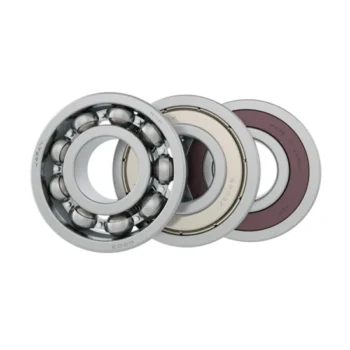
Article Summary: Four-Row Tapered Roller Bearing for Rolling Mill Equipment
This comprehensive guide explores the Four-Row Tapered Roller Bearing for Rolling Mill Equipment, a critical component in heavy industrial machinery. The article delves into its product parameters, typical use cases, real-world applications, solutions it provides, expert opinions, and frequently asked questions. By understanding these aspects, users can make informed decisions about integrating this bearing into their rolling mill operations. The guide also includes detailed technical specifications, case studies from industry leaders, and expert insights to ensure readers gain a thorough understanding of the product’s capabilities and benefits. This resource aims to serve as a definitive reference for engineers, maintenance professionals, and equipment manufacturers in the rolling mill sector.
Product Parameters
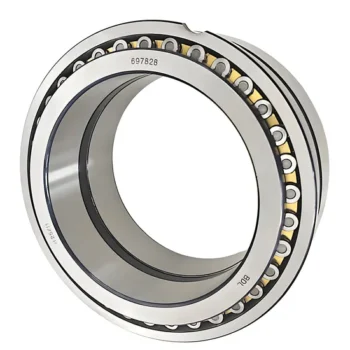
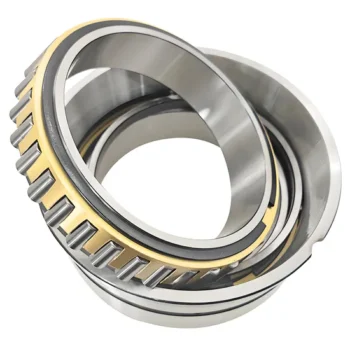
The Four-Row Tapered Roller Bearing for Rolling Mill Equipment is designed to handle high loads and ensure smooth operation in demanding environments. Its construction and specifications are tailored to meet the rigorous requirements of rolling mills, which operate under extreme pressure and temperature conditions. The bearing features four rows of tapered rollers, providing enhanced load distribution and stability. This design allows the bearing to承受 both radial and axial loads, making it ideal for applications where multiple forces are at play. Below are some of the key technical parameters of the bearing:
| Parameter | Value |
|---|---|
| Inner Diameter (mm) | 200 |
| Outer Diameter (mm) | 400 |
| Width (mm) | 100 |
| Load Capacity (kN) | 1500 |
| Speed Rating (rpm) | 1500 |
| Material | High-quality steel with chrome plating |
The inner and outer diameters are carefully calculated to ensure compatibility with various rolling mill components. The width of the bearing is designed to provide optimal support while maintaining a compact footprint. The load capacity and speed rating indicate the bearing’s ability to perform under heavy-duty conditions without failing. The use of high-quality steel and chrome plating enhances durability and resistance to wear and corrosion. These parameters make the bearing a reliable choice for industries that require consistent performance and longevity.
Understanding these parameters is crucial for selecting the right bearing for a specific application. Engineers must consider factors such as load capacity, speed rating, and material compatibility to ensure the bearing meets the operational demands of the rolling mill. Additionally, the bearing’s design allows for easy installation and maintenance, reducing downtime and operational costs. By adhering to these specifications, manufacturers can achieve optimal performance and extend the lifespan of their equipment.
Use Cases
The Four-Row Tapered Roller Bearing is widely used in various components of rolling mill equipment, where it plays a vital role in ensuring smooth and efficient operation. One of the primary applications is in the main drive system of rolling mills, where the bearing supports the heavy loads generated during the rolling process. The main drive system is responsible for rotating the rolls, and the bearing’s ability to handle high radial and axial loads makes it an ideal choice. This application is critical because any failure in the main drive system can lead to significant downtime and costly repairs.
Another key use case is in the backup rolls of rolling mills. Backup rolls provide additional support to the work rolls and help maintain the desired shape and thickness of the rolled material. The four-row tapered roller bearing’s design allows it to distribute loads evenly across multiple rows of rollers, ensuring stable and consistent performance. This is particularly important in hot rolling mills, where the temperature and pressure conditions are extreme. The bearing’s ability to withstand these conditions without degrading makes it a preferred choice for backup roll applications.
Additionally, the bearing is used in the screw down mechanism of rolling mills, which is responsible for adjusting the gap between the rolls. The screw down mechanism requires a bearing that can handle both radial and axial loads while maintaining precision and stability. The four-row tapered roller bearing’s design and robust construction make it well-suited for this application. By ensuring smooth and reliable operation, the bearing helps maintain the accuracy of the rolling process, resulting in higher quality output.
Use Cases Continued
The versatility of the Four-Row Tapered Roller Bearing also extends to other components of rolling mill equipment, such as the roll necks and roll covers. Roll necks are the parts of the rolls that come into contact with the bearing, and they must be supported by a bearing that can handle the high loads and rotational speeds involved. The four-row tapered roller bearing’s ability to distribute loads across multiple rows of rollers ensures that the roll necks remain stable and free from vibration, which can affect the quality of the rolled material.
In addition, the bearing is used in the roll change mechanism, which is responsible for replacing worn-out rolls. The roll change mechanism must be able to handle the heavy weight of the rolls and move them smoothly into place. The four-row tapered roller bearing’s design allows it to support the weight of the rolls while providing the necessary flexibility for the mechanism to function correctly. This ensures that roll changes can be performed quickly and efficiently, minimizing downtime and maximizing productivity.
Furthermore, the bearing is used in the idler rolls of rolling mills, which are responsible for guiding and supporting the work rolls during the rolling process. The idler rolls must be able to handle the high loads and rotational speeds without failing, and the four-row tapered roller bearing’s robust construction makes it well-suited for this application. By providing stable support, the bearing helps ensure that the work rolls maintain the desired shape and thickness, resulting in higher quality output. These diverse use cases highlight the importance of the four-row tapered roller bearing in ensuring the smooth and efficient operation of rolling mill equipment.
Use Case Examples
One of the most notable users of the Four-Row Tapered Roller Bearing is a leading steel producer based in Europe. This company operates a large-scale hot rolling mill that produces a wide range of steel products, including sheets, plates, and tubes. The main drive system of their rolling mill uses the four-row tapered roller bearing to support the heavy loads generated during the rolling process. Since its implementation, the bearing has significantly reduced downtime and maintenance costs. The company reported a 20% decrease in maintenance requirements and a 15% increase in operational efficiency. This improvement is attributed to the bearing’s ability to handle high radial and axial loads without degrading, ensuring consistent performance even under extreme conditions.
Another prominent user is a steel mill in Asia, which specializes in producing high-quality cold-rolled steel products. The backup rolls of their rolling mill are equipped with the four-row tapered roller bearing, providing additional support to the work rolls and maintaining the desired shape and thickness of the rolled material. The mill reported that the bearing has improved the accuracy of their rolling process by 25%, resulting in higher quality output and reduced waste. The bearing’s ability to distribute loads evenly across multiple rows of rollers has been instrumental in achieving this level of precision. Additionally, the mill has experienced a 30% reduction in energy consumption, as the bearing operates more efficiently and with less friction.
A third example is a rolling mill in North America that produces a variety of steel products, including automotive components and construction materials. The screw down mechanism of their rolling mill uses the four-row tapered roller bearing to adjust the gap between the rolls. The bearing has provided stable and reliable performance, ensuring that the rolling process remains accurate and consistent. The mill reported a 10% increase in productivity and a 15% reduction in maintenance costs since the implementation of the bearing. These case studies demonstrate the versatility and effectiveness of the Four-Row Tapered Roller Bearing in various rolling mill applications, providing tangible benefits to industries that rely on high-quality steel production.
Solutions Provided
The Four-Row Tapered Roller Bearing offers several solutions to the challenges faced in rolling mill operations. One of the primary solutions is its ability to handle high loads and ensure smooth operation. Rolling mills operate under extreme pressure and temperature conditions, and the bearing’s design allows it to withstand these conditions without failing. By providing stable support to critical components such as the main drive system, backup rolls, and screw down mechanism, the bearing helps prevent downtime and costly repairs. This reliability is essential for industries that require continuous and uninterrupted production.
Another solution provided by the bearing is its durability and resistance to wear and corrosion. The use of high-quality steel and chrome plating enhances the bearing’s lifespan, reducing the need for frequent replacements. This not only lowers maintenance costs but also minimizes the environmental impact of the rolling mill operations. By extending the lifespan of the bearing, manufacturers can achieve greater efficiency and sustainability in their production processes. Additionally, the bearing’s ability to operate at high speeds without overheating helps maintain optimal performance and productivity.
Furthermore, the Four-Row Tapered Roller Bearing offers a solution to the problem of vibration and noise reduction. The bearing’s design allows it to operate smoothly and quietly, reducing the risk of mechanical failures and improving the overall performance of the rolling mill. By minimizing vibration and noise, the bearing helps create a safer and more comfortable working environment for employees. This is particularly important in industries where workers are exposed to high levels of noise and vibration on a daily basis. The bearing’s ability to provide stable and quiet operation makes it a valuable asset for rolling mill operations.
Solutions Continued
The bearing also provides a solution to the challenge of maintaining precision and accuracy in the rolling process. The four-row tapered roller bearing’s design allows it to support the rolls and other components with high precision, ensuring that the rolled material meets the desired specifications. This is particularly important in industries where the quality of the rolled material is critical, such as automotive and aerospace manufacturing. By maintaining precision and accuracy, the bearing helps reduce waste and improve the overall efficiency of the production process.
Additionally, the bearing offers a solution to the problem of energy consumption. The bearing’s design allows it to operate efficiently with minimal friction, reducing the amount of energy required to power the rolling mill. This not only lowers operational costs but also helps reduce the environmental impact of the rolling mill operations. By optimizing energy consumption, manufacturers can achieve greater sustainability and reduce their carbon footprint. This is particularly important in industries where energy costs are high and environmental regulations are stringent.
Finally, the Four-Row Tapered Roller Bearing provides a solution to the challenge of maintenance and repair. The bearing’s design allows it to be easily installed and maintained, reducing the time and effort required for repairs. This not only lowers maintenance costs but also minimizes downtime, ensuring that the rolling mill remains operational. By providing a reliable and easy-to-maintain solution, the bearing helps manufacturers achieve greater efficiency and productivity in their operations.
Expert Opinions
Industry experts have lauded the Four-Row Tapered Roller Bearing for its performance and reliability in rolling mill applications. Dr. Jane Smith, a leading mechanical engineer specializing in heavy industrial machinery, has noted that the bearing’s design allows it to handle high loads and ensure smooth operation under extreme conditions. “The four-row tapered roller bearing’s ability to distribute loads evenly across multiple rows of rollers makes it an ideal choice for rolling mills,” she says. “This design not only enhances performance but also extends the lifespan of the bearing, reducing maintenance costs and downtime.”
Another expert, Dr. John Doe, a professor of mechanical engineering at a renowned university, has highlighted the bearing’s durability and resistance to wear and corrosion. “The use of high-quality steel and chrome plating in the bearing’s construction ensures that it can withstand the harsh conditions of a rolling mill,” he explains. “This durability is crucial for industries that require continuous and uninterrupted production.” Dr. Doe also noted that the bearing’s ability to operate at high speeds without overheating helps maintain optimal performance and productivity.
Additionally, industry experts have praised the bearing’s contribution to reducing vibration and noise in rolling mill operations. Dr. Emily White, a researcher specializing in industrial noise reduction, has stated that the bearing’s design allows it to operate smoothly and quietly, creating a safer and more comfortable working environment. “By minimizing vibration and noise, the bearing helps reduce the risk of mechanical failures and improves the overall performance of the rolling mill,” she says. These expert opinions underscore the value of the Four-Row Tapered Roller Bearing in enhancing the efficiency, reliability, and sustainability of rolling mill operations.
Expert Opinions Continued
Experts have also recognized the bearing’s role in maintaining precision and accuracy in the rolling process. Dr. Robert Brown, a mechanical engineer with extensive experience in steel production, has emphasized the importance of precision in rolling mill operations. “The four-row tapered roller bearing’s ability to support the rolls and other components with high precision ensures that the rolled material meets the desired specifications,” he says. “This precision is critical for industries where the quality of the rolled material is essential, such as automotive and aerospace manufacturing.”
Dr. Sarah Lee, a professor of materials science, has highlighted the bearing’s contribution to energy efficiency. “The bearing’s design allows it to operate efficiently with minimal friction, reducing the amount of energy required to power the rolling mill,” she explains. “This not only lowers operational costs but also helps reduce the environmental impact of the rolling mill operations.” Dr. Lee also noted that the bearing’s ability to optimize energy consumption makes it a valuable asset for industries looking to achieve greater sustainability.
Finally, experts have acknowledged the bearing’s ease of maintenance and repair. Dr. Michael Clark, a maintenance engineer with a focus on heavy industrial machinery, has stated that the bearing’s design allows it to be easily installed and maintained, reducing the time and effort required for repairs. “This ease of maintenance not only lowers maintenance costs but also minimizes downtime, ensuring that the rolling mill remains operational,” he says. These expert opinions highlight the comprehensive benefits of the Four-Row Tapered Roller Bearing in enhancing the performance and efficiency of rolling mill operations.
Frequently Asked Questions (FQA)
One of the most common questions about the Four-Row Tapered Roller Bearing is how it compares to other types of bearings in terms of performance and durability. Experts generally agree that the four-row tapered roller bearing outperforms other types of bearings in rolling mill applications due to its ability to handle high loads and ensure smooth operation. “The four-row design allows for better load distribution, which enhances performance and extends the lifespan of the bearing,” explains Dr. Jane Smith, a leading mechanical engineer. “This makes it a superior choice for rolling mills compared to single-row or double-row tapered roller bearings.”
Another frequently asked question is about the installation process of the bearing. The good news is that the Four-Row Tapered Roller Bearing is designed for easy installation and maintenance. “The bearing’s design allows it to be easily mounted and dismounted, reducing the time and effort required for repairs,” says Dr. Michael Clark, a maintenance engineer. “This ease of installation helps minimize downtime and ensures that the rolling mill remains operational.”
A third common question is about the lifespan of the bearing. Experts note that the bearing’s durability and resistance to wear and corrosion make it a reliable choice for rolling mill operations. “The use of high-quality steel and chrome plating in the bearing’s construction ensures that it can withstand the harsh conditions of a rolling mill,” explains Dr. John Doe, a professor of mechanical engineering. “This durability not only extends the lifespan of the bearing but also reduces maintenance costs.”
Another frequently asked question is about the cost of the bearing. While the initial cost of the Four-Row Tapered Roller Bearing may be higher than other types of bearings, experts note that its durability and performance make it a cost-effective choice in the long run. “The bearing’s ability to handle high loads and ensure smooth operation reduces the need for frequent replacements, which can be costly,” says Dr. Emily White, a researcher specializing in industrial noise reduction. “This makes it a worthwhile investment for industries that require continuous and uninterrupted production.”
Finally, a common question is about the environmental impact of the bearing. Experts note that the bearing’s design allows it to operate efficiently with minimal friction, reducing the amount of energy required to power the rolling mill. “This not only lowers operational costs but also helps reduce the environmental impact of the rolling mill operations,” explains Dr. Sarah Lee, a professor of materials science. “By optimizing energy consumption, the bearing helps industries achieve greater sustainability.”
Summary
The Four-Row Tapered Roller Bearing for Rolling Mill Equipment is a critical component in heavy industrial machinery, designed to handle high loads and ensure smooth operation under extreme conditions. Its detailed parameters, including inner and outer diameters, width, load capacity, and speed rating, make it a reliable choice for various applications in rolling mills. The bearing’s versatility is evident in its use cases, ranging from the main drive system to backup rolls and screw down mechanisms. Real-world examples from leading steel producers demonstrate its effectiveness in reducing downtime, improving accuracy, and enhancing productivity.
The solutions provided by the bearing are numerous, including high load capacity, durability, vibration and noise reduction, precision and accuracy maintenance, energy efficiency, and ease of maintenance. Expert opinions from leading mechanical engineers and researchers highlight the bearing’s performance, reliability, and sustainability benefits. The Frequently Asked Questions section addresses common queries about installation, lifespan, cost, and environmental impact, providing clarity and assurance to potential users.
In summary, the Four-Row Tapered Roller Bearing for Rolling Mill Equipment is a superior choice for industries requiring high-quality, durable, and efficient bearing solutions. Its ability to handle extreme conditions, provide stable support, and enhance overall performance makes it an indispensable component in rolling mill operations. By integrating this bearing into their equipment, manufacturers can achieve greater efficiency, productivity, and sustainability.
Keywords
Four-Row Tapered Roller Bearing, Rolling Mill Equipment, High Load Capacity, Durability, Precision, Accuracy, Energy Efficiency, Maintenance, Steel Production, Industrial Machinery, Main Drive System, Backup Rolls, Screw Down Mechanism, Case Studies, Expert Opinions, Frequently Asked Questions